.jpg)
Aztec Death Whistle
| Category | Wind (clay aerophone) |
|---|---|
| Country of origin | Mexico |
| Classification | aerophone, sound, type of musical instrument |
| Wikipedia | en.wikipedia.org |
| Wikidata | Q87358040 |
Overview
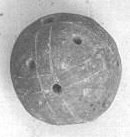
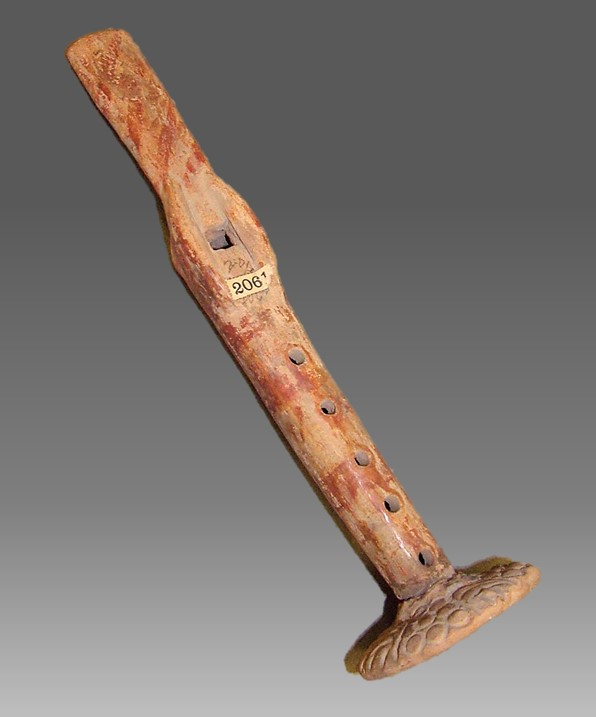
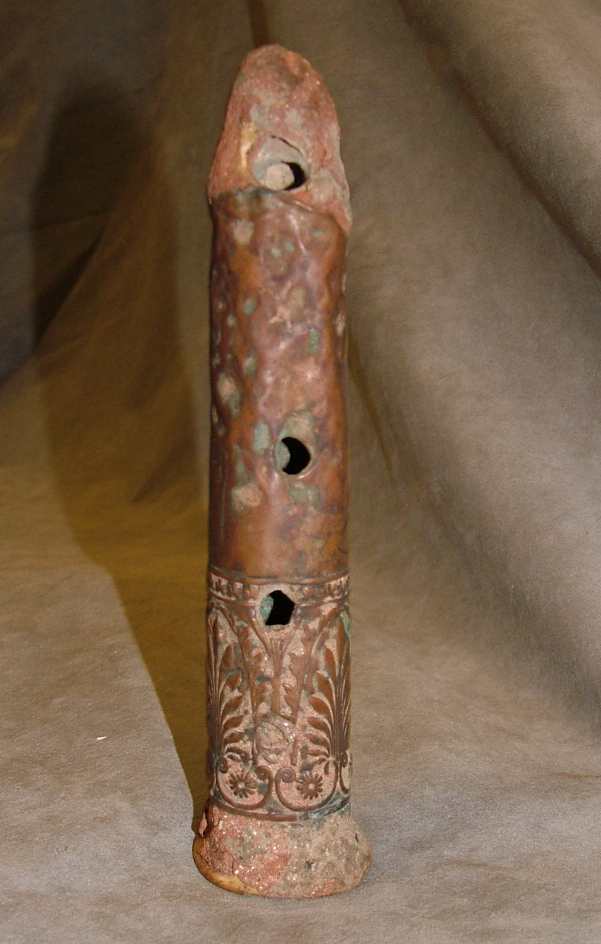
The “Aztec death whistle” is a pre-Columbian clay wind instrument from central Mexico, known for producing a startling, scream-like sound rather than a clear musical pitch. The instrument is small enough to hold in one hand, often shaped as a skull or as a stylised face, with two small internal chambers that interact when the player blows across an opening in the side.
Origin & History
Whistles of this kind have been recovered from Mexica (Aztec) and earlier Mesoamerican archaeological sites, including burials. Their precise function is not fully documented, but archaeologists and musicologists have proposed several uses based on context: as ritual or ceremonial instruments, as items associated with the dead, and possibly as psychological weapons in warfare to unsettle opponents. The popular nickname “death whistle” reflects the eerie sound, but it is a modern label rather than a known ancient term.
How It’s Played
The player blows across a small opening on the side of the instrument. Inside, two carefully shaped chambers force the air streams to collide, producing a noisy, irregular sound that resembles a human scream more than a tone. Different surviving examples produce different timbres, and some players can shape the sound by varying breath pressure and by partially covering openings with the fingers.
Cultural Significance
The death whistle is one of the most striking surviving objects from pre-Columbian Mesoamerican musical culture, and a reminder of how broad the idea of “music” is. Modern reproductions have brought the instrument into contemporary world-music projects, museum demonstrations, and educational settings, while research into the original instruments continues to refine what we know about their use.
Related Instruments
- Bullroarer – another ancient noise-producing instrument
- Conch – another simple natural wind instrument
- Pinkillu – an Andean folk wind instrument
- Trutruka – a Mapuche horn from southern South America
- Pan flute / Zampoña – a much more melodic Andean wind
Where to Hear It
Demonstrations of original archaeological examples and modern reproductions are widely available through Mexican museum collections and on Wikimedia Commons. Recordings can be unsettling at first listen.
Frequently Asked Questions
Is “death whistle” the original name?
No. The name is a modern English nickname that reflects the unsettling sound. The original Mesoamerican term, if any, has not been clearly documented.
Was the death whistle really used in war?
That use has been proposed by some researchers but is not firmly established. Surviving examples are best documented in burial and ritual contexts.