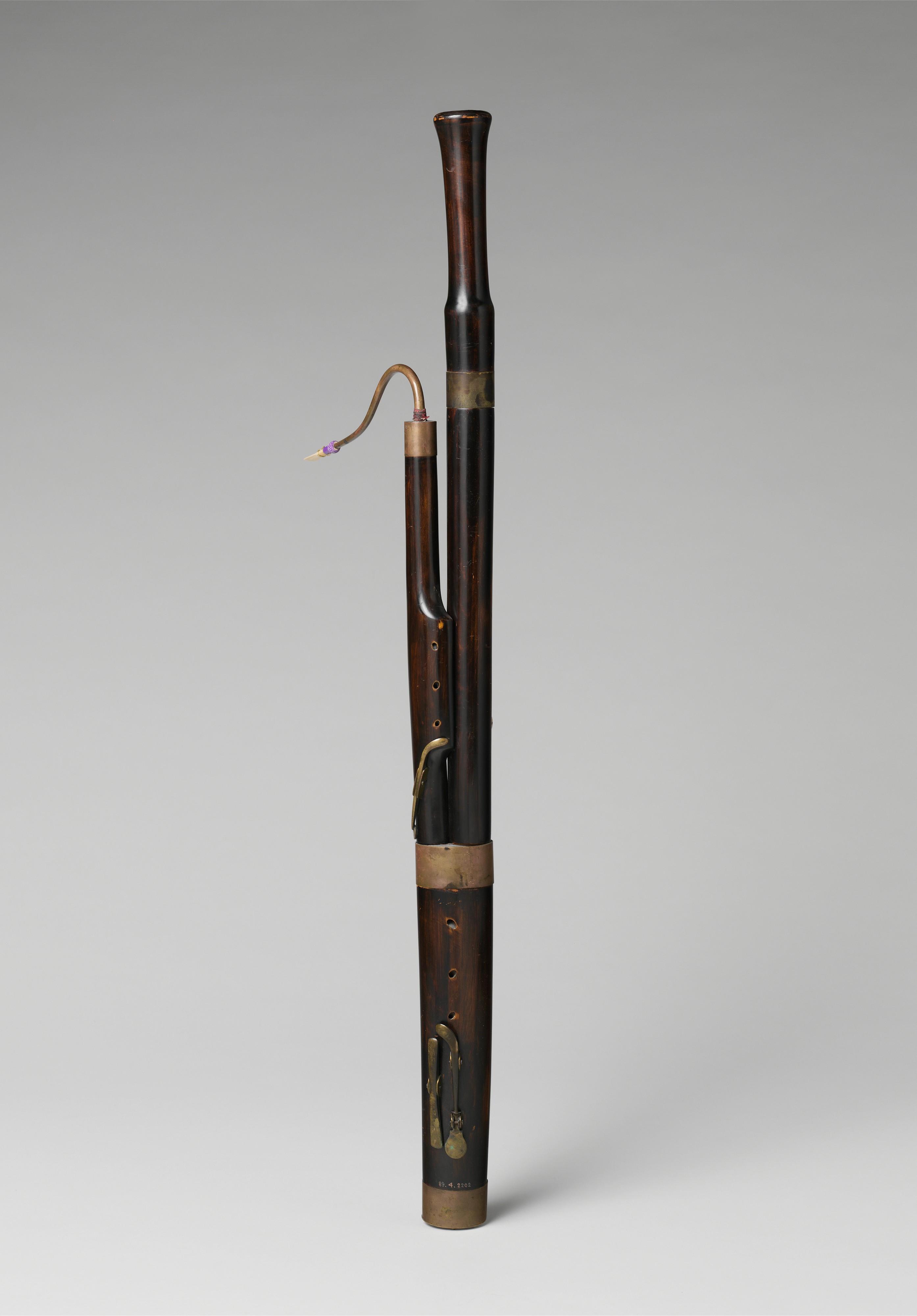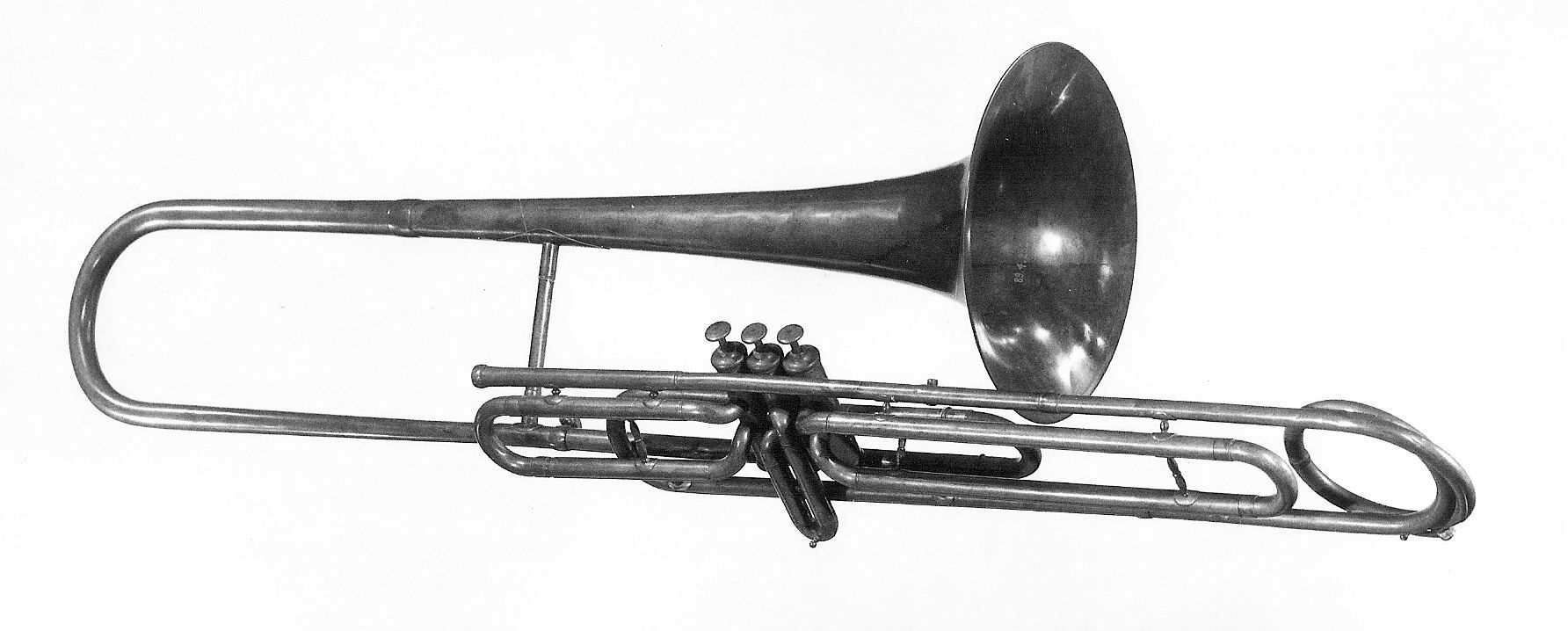
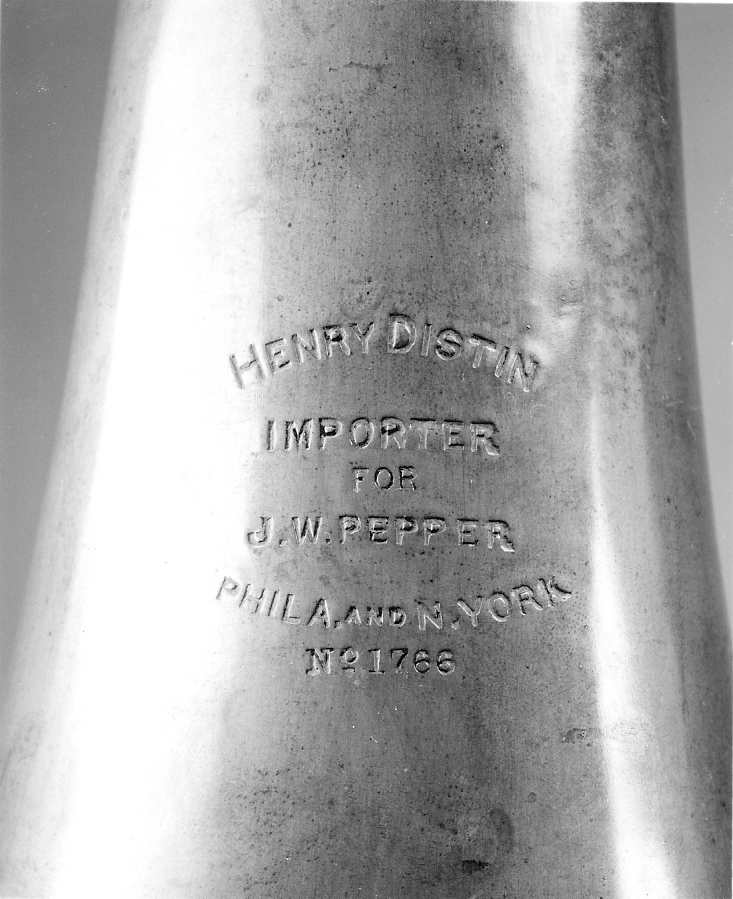
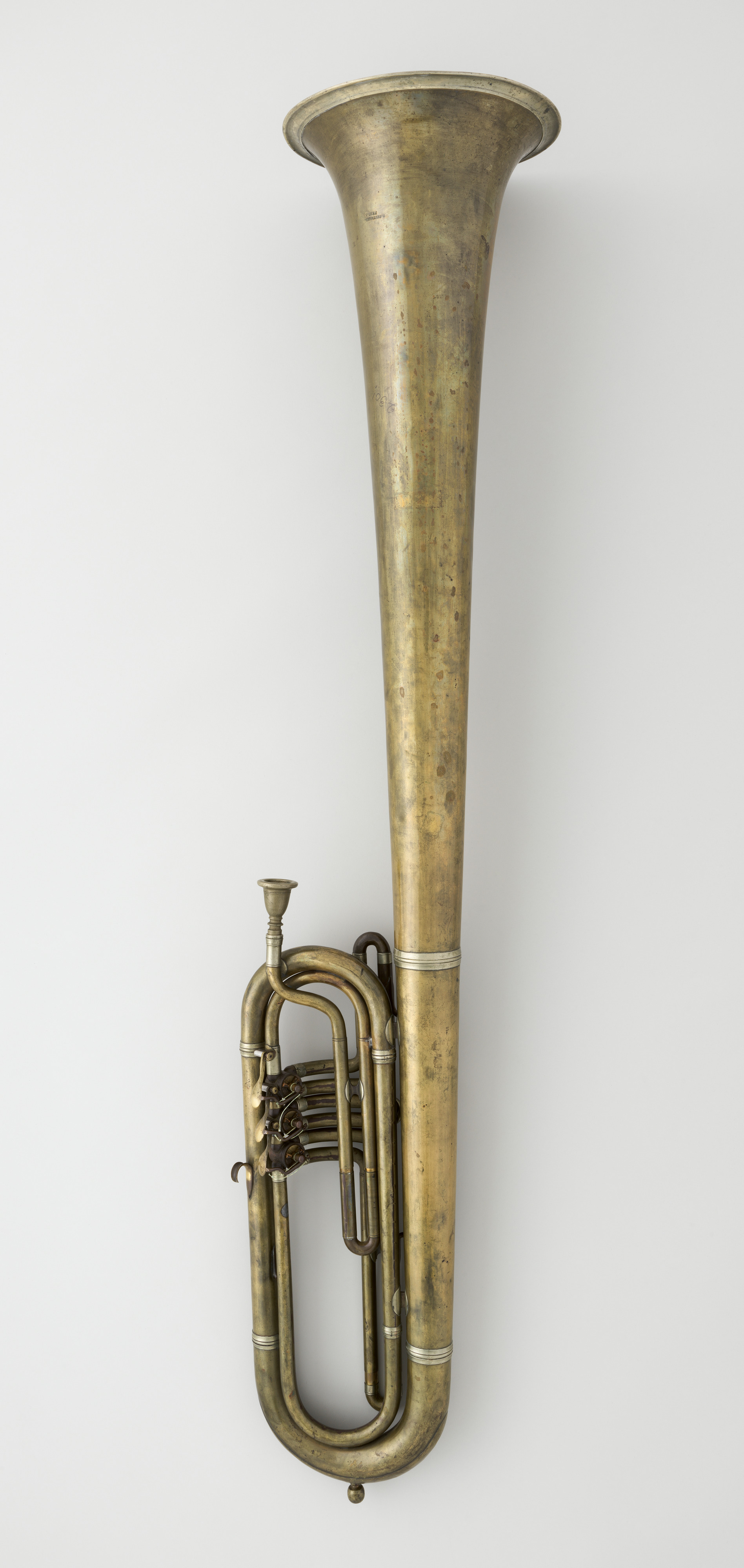
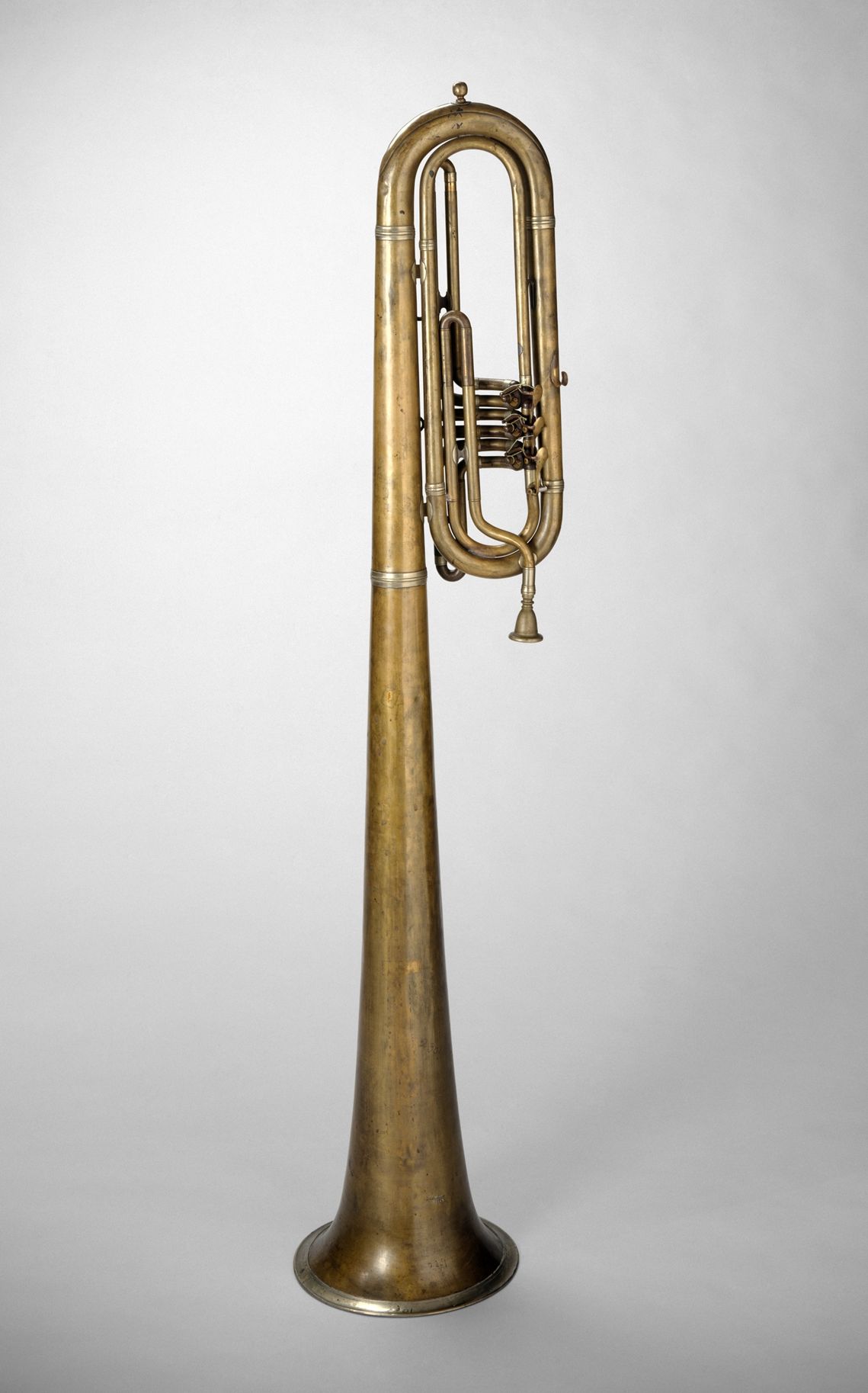
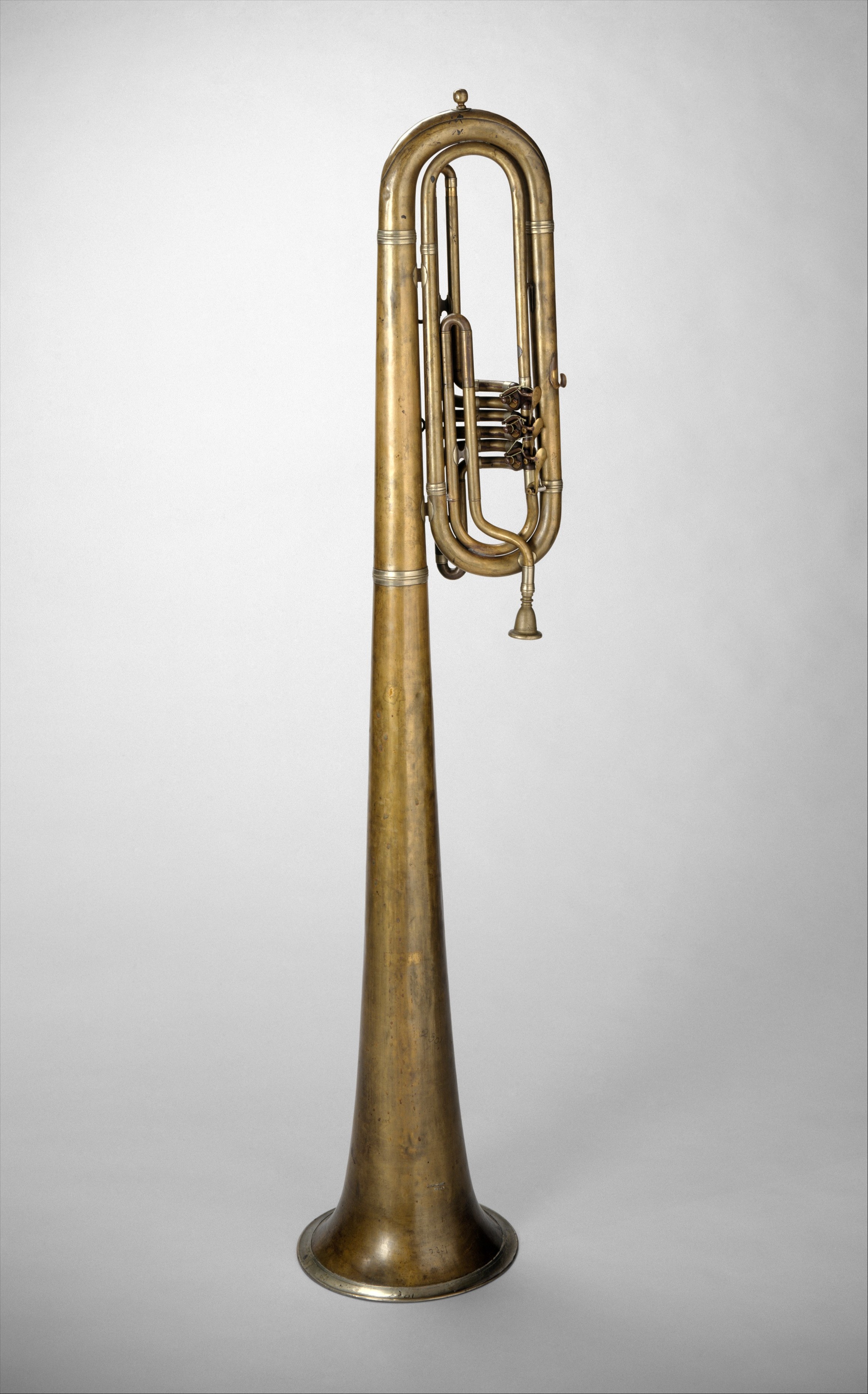
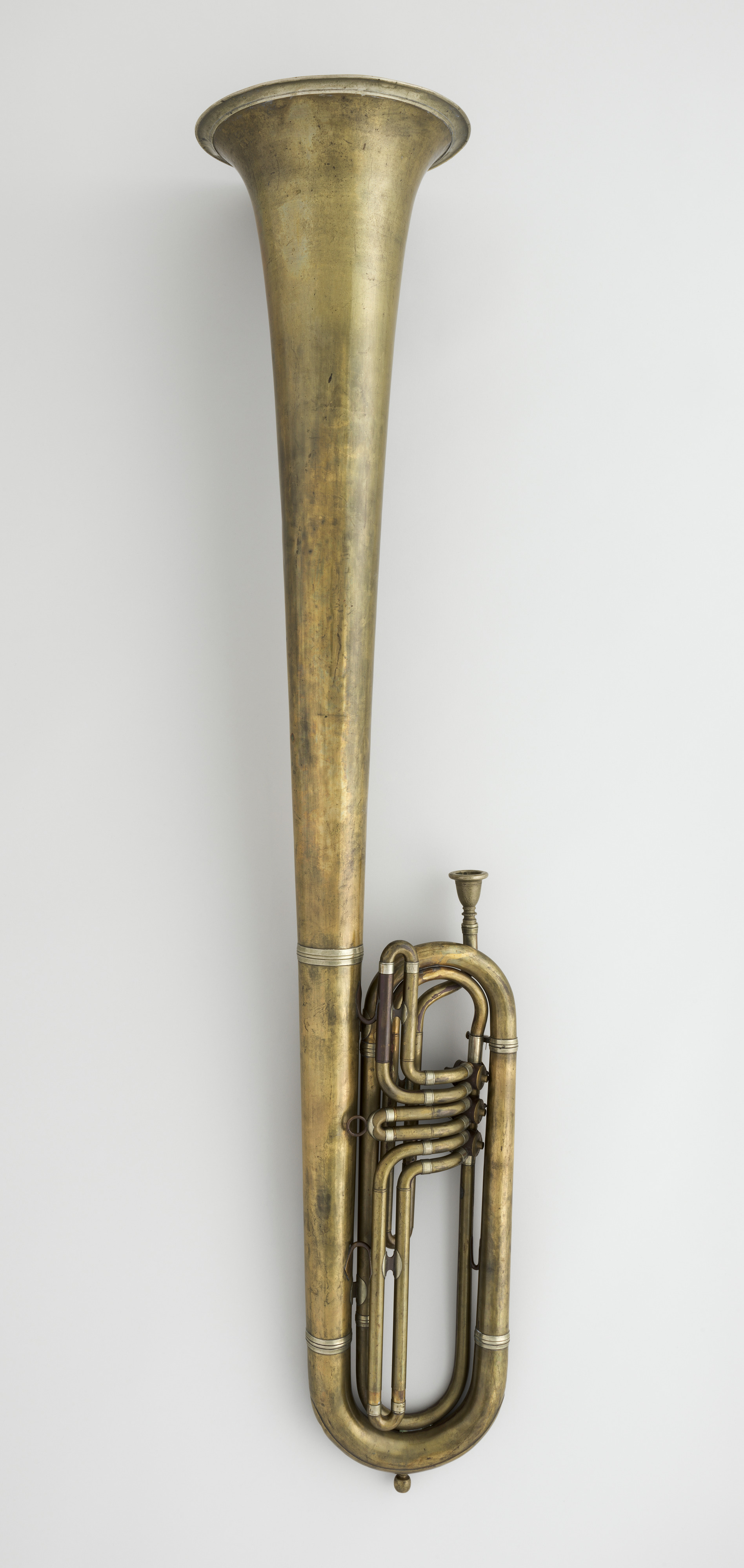
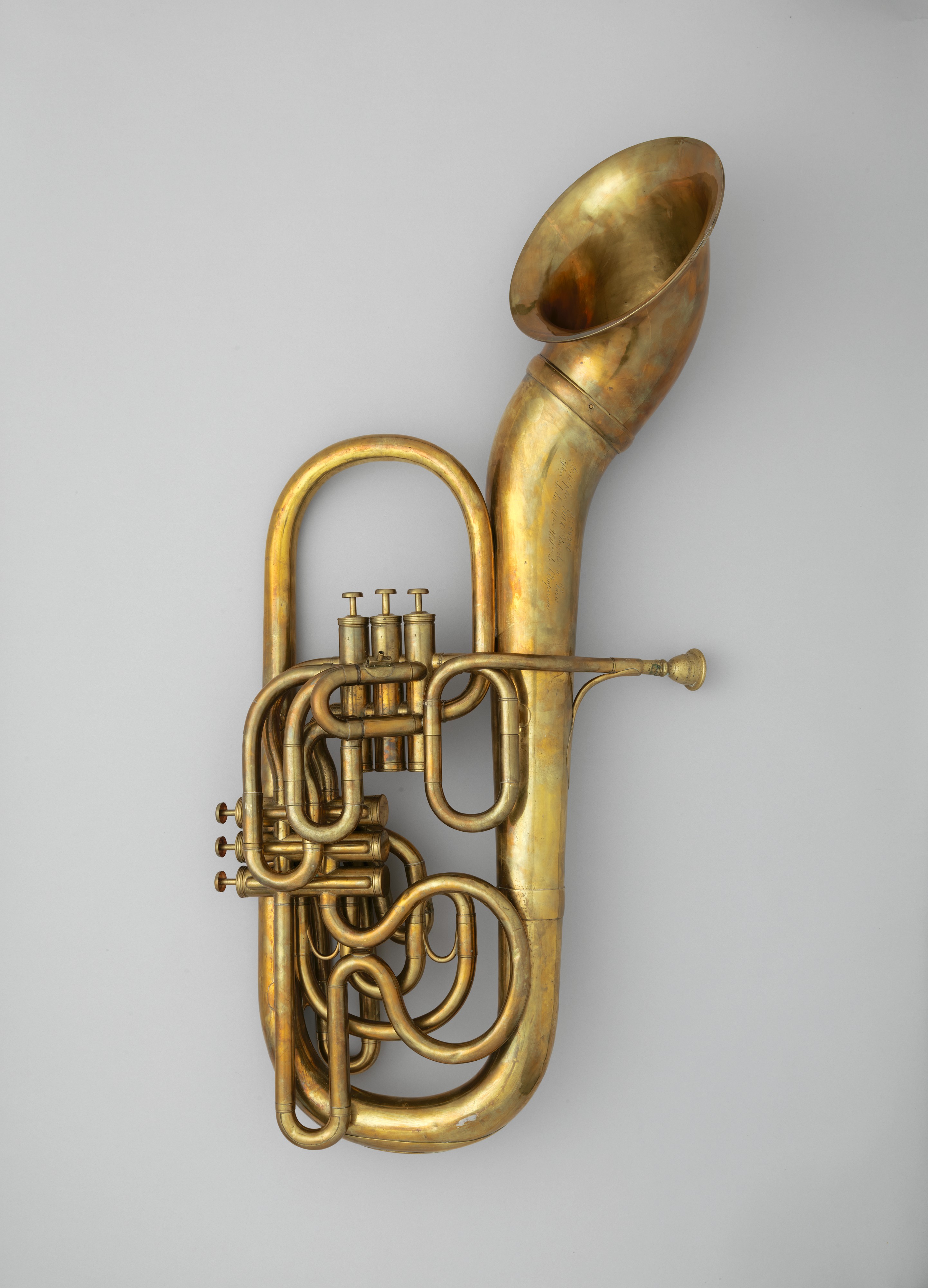
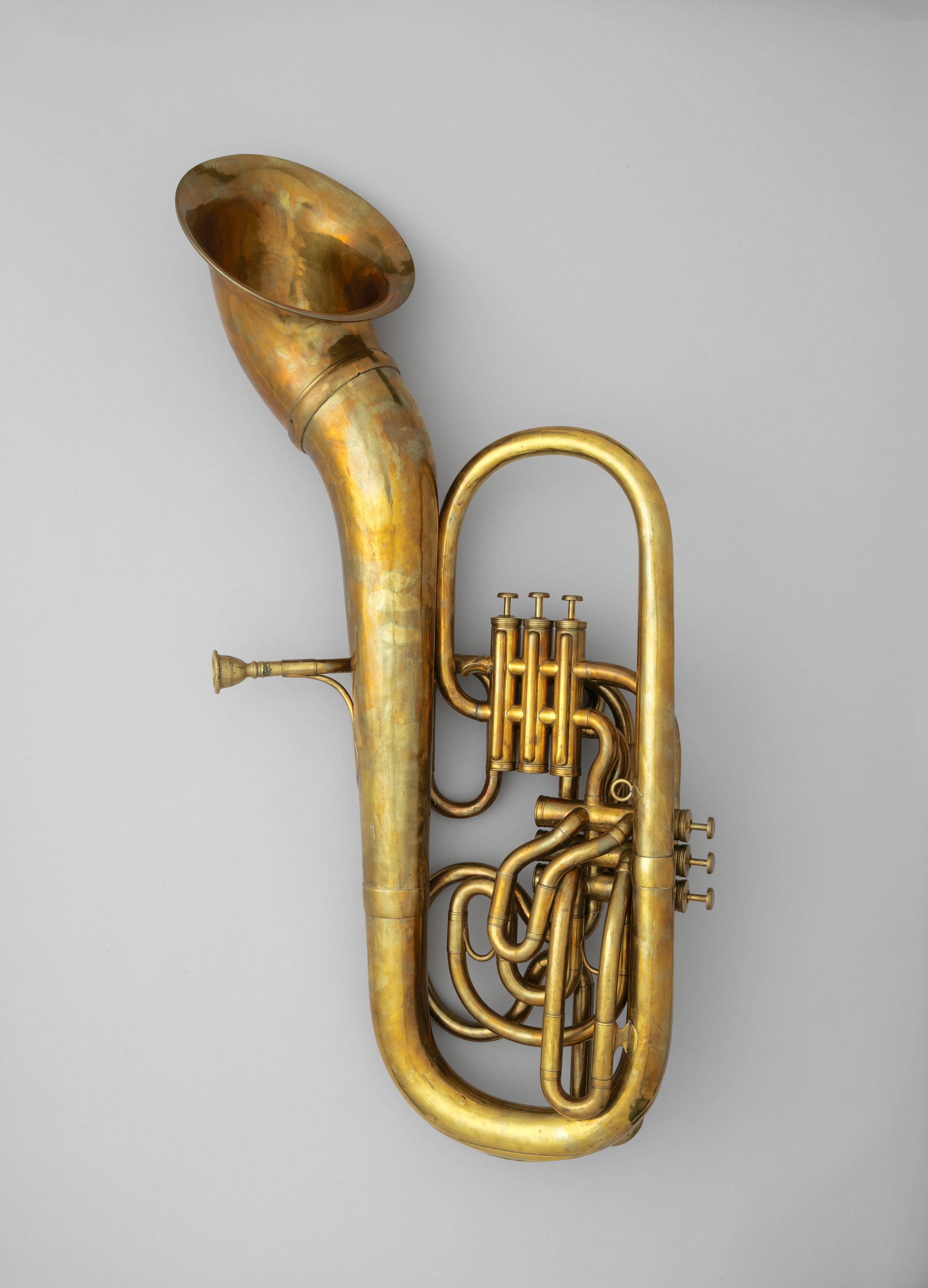
Bass trombone
Bass trombone
| Category | Link-debt |
|---|---|
| Country of origin | Germany / Italy (Renaissance and Baroque, modern form 19th century) |
| Classification | bass, brass instrument, type of musical instrument |
| Wikipedia | en.wikipedia.org |
| Wikidata | Q10426885 |
Listen
Overview
Acoustically the bass trombone is the bass voice of the trombone family of brass instruments. The modern instruments share the same B♭ fundamental as the tenor trombone but have a larger bore, a larger bell, and a larger mouthpiece to support comfortable low-register playing, and almost always have two trigger valves bridging the missing range immediately above the pedal range. The instrument occupies the bass-trombone chair in every full symphony orchestra, every big band, and every standard brass quintet that uses both tenor and bass trombones.
Origin & History
The earliest bass trombones, in the Renaissance and Baroque periods, were genuinely separate instruments pitched between a third and a fifth under the tenor trombone (which sat in A at the time). They carried a narrower bore and a less flared bell than modern bass-trombone designs, and a longer slide equipped with an extending handle that allowed the player to reach the lower slide positions otherwise beyond a player’s fully outstretched arm. These early bass sackbuts went under the names terz-posaune, quart-posaune, and quint-posaune of the German tradition (literally “third-interval trombone”, “fourth-interval trombone”, “fifth-interval trombone”, referring to the interval below the tenor); quartposaune was sometimes used generically for the broader category.
By the 19th century the F bass trombone — a fourth lower than the tenor — was the standard orchestral bass instrument. Through the late 19th and early 20th centuries the design gradually shifted to a B♭ instrument with an F-tubing trigger valve, then to a B♭ instrument with two trigger valves (typically F and G♭), as composers’ demands extended both downward (Wagner, Bruckner, Mahler) and upward (modern jazz and concerto repertoire). The modern American-style B♭/F/G♭ bass trombone with two in-line independent valves emerged in the mid-20th century from instrument makers including Conn (the 70H model) and Bach (the 50B model) and is now the international professional standard.
Construction & Materials
A modern bass trombone uses approximately 274 cm of B♭ tubing, the same fundamental length as the tenor trombone but with a wider bore (typically 14.0 to 14.5 mm internal diameter, compared with 12.7 mm for a typical large-bore tenor) and a larger bell (typically 24 to 26 cm in diameter, compared with 21 to 22 cm for a tenor). Two trigger valves operated by the left thumb and either the left first finger or a separate left thumb lever route air through additional tubing — the F valve adds enough length to drop the open position by a perfect fourth; the G♭ valve in combination with the F valve allows access to the chromatic range between low E and the pedal B♭.
The mouthpiece is larger than the tenor’s, typically 28 to 30 mm rim diameter, with a deeper cup that supports the low-register tone. Yellow brass is the standard material; some professional instruments use gold brass or red brass bells for tonal weight. The Bach 50B and the Conn 62H have been the two reference American professional instruments since the mid-20th century; Edwards, Shires, and Yamaha now compete at the same level.
How It’s Played
The bass trombone is played in the same way as the tenor trombone — lips buzzing into the mouthpiece, right arm operating the slide, left thumb (and finger) operating the valve triggers — but with the wider bore and larger mouthpiece supporting comfortable playing in the bass register. The player must develop the air capacity and embouchure stability for sustained low-register playing; the breath demands are larger than the tenor trombone’s by a noticeable margin.
Standard technique covers single tonguing, multi-tonguing, lip slurs, the full chromatic range from B♭1 (the pedal B♭) up to about F5, valve combinations for intonation alternatives in the lower register, and the legato technique that is one of the most distinctive features of the trombone family overall — moving smoothly across slide positions without articulation breaks demands precise coordination of slide, breath, and lip.
Cultural Significance
The bass trombone occupies the bass voice of the orchestral brass section in virtually all symphonic music written since the late 19th century. The instrument is essential to the Wagner, Bruckner, Mahler, Strauss, Shostakovich, and 20th- and 21st-century orchestral repertoire; the bass-trombone chair in a major orchestra is one of the senior brass appointments and a prestigious career position. The MET musical-instruments collection holds period and modern bass trombones documenting the design’s evolution.
In big-band jazz the bass trombone occupies the lowest seat in the four-trombone section, providing the bass-line foundation alongside the upright bass. Players including Bill Reichenbach Jr. (Hollywood studios), Tony Studd (NYC studios), and George Roberts (Stan Kenton orchestra) defined the modern jazz bass-trombone voice. In contemporary brass-quintet and brass-ensemble repertoire the instrument is increasingly taken seriously as a solo voice; recent concertos by Christopher Brubeck, Eric Ewazen, and others have begun to build a distinct solo repertoire.
Notable Examples & Recordings
- Recording landmarks: Charles Vernon (Chicago Symphony bass trombone 1986-2024), Douglas Yeo (Boston Symphony 1985-2012), Stefan Schulz (Berlin Philharmonic), Ben van Dijk, Dennis Wilson; in jazz, George Roberts (Stan Kenton), Bill Reichenbach Jr., Bill Watrous (although Watrous played tenor trombone, his low-register playing on tenor showed bass-trombone influence).
- The Conn 70H (1930s) and the Bach 50B (post-WWII) are the two reference instruments of the modern American symphonic bass-trombone tradition.
Related Instruments
- Trombone — the standard tenor instrument of the same family.
- Tuba — the contrabass voice of the brass section.
- Trumpet — the soprano voice of the brass family.
- French horn — the orchestral mid-register brass.
- Euphonium — the conical-bore tenor-baritone brass standard in concert and brass bands.
- Sackbut — the Renaissance and Baroque trombone family used in early-music ensembles.
- Bass saxophone — a comparable bass-register specialist instrument from the woodwind family.
Where to Hear It
Live: every full-time symphony orchestra and professional big band on Earth. Bass-trombone solo concerts and competitions are organised under the International Trombone Association and the International Trombone Festival.
- Wikipedia: Bass trombone
- Wikidata: Bass trombone (Q10426885)
- DBpedia: Bass trombone
- Wikimedia Commons: Bass trombones
Learning Resources
A student bass trombone costs around 1,200 to 2,500 USD; intermediate Yamaha YBL-822, Conn 62H, or Holton TR181 instruments 3,000 to 5,000 USD; professional Bach 50B3, Conn 62H, Edwards, Shires, or Yamaha Custom typically 4,500 to 9,000 USD. Standard methods include the Bordogni Vocalises (transcribed for bass clef and arranged at bass-trombone-friendly transpositions), the Blazhevich method, the Edward Kleinhammer The Art of Trombone Playing (1963), and the Charles Vernon A Singing Approach to Bass Trombone (which has become a near-universal modern American reference). The Edward Kleinhammer (Chicago Symphony) and Charles Vernon (Chicago Symphony) lineages dominate American teaching.
Frequently Asked Questions
Why does a bass trombone need two valves?
To fill in the chromatic gap between low E (the lowest note reachable in standard slide positions) and the pedal B♭ (the lowest reachable harmonic). Without the valves, the bass trombone has a missing register between low E and pedal B♭ that contains all the F♯, G, A♭, and A♭/A♮ notes essential to most repertoire.
What’s the difference between a tenor-bass trombone and a bass trombone?
The tenor-bass trombone is a larger-bore tenor with a single F valve — closer to a tenor than a bass in overall proportions. The bass trombone is even larger in bore and bell, has two valves rather than one, and uses a much larger mouthpiece. The two are clearly different instruments to the player; to the listener the difference is most audible in the depth and weight of the lowest register.
Is the bass trombone harder than the tenor trombone?
Different challenges. The bass trombone needs more air, a larger embouchure, and the additional cognitive load of selecting valve combinations for low-register intonation; the tenor trombone needs more agility in the high register. Most professional players specialise in one or the other; doublers are uncommon.
What does the bass trombone play in jazz?
The bottom voice in the four-trombone section of a big band, providing bass-line support alongside the upright bass. Solo features are less common than for the tenor trombone but exist throughout the Stan Kenton, Maynard Ferguson, and modern big-band repertoires.
Why is the bass trombone in B♭ if it’s the bass instrument?
Because the modern design solves the bass-register problem with valves rather than with a different fundamental pitch. Earlier bass trombones in F (a fourth below B♭) gave the same low range, but the B♭ instrument with two valves is more flexible across the full range and has displaced the F bass trombone in modern professional playing.