
.jpg)
.jpg)
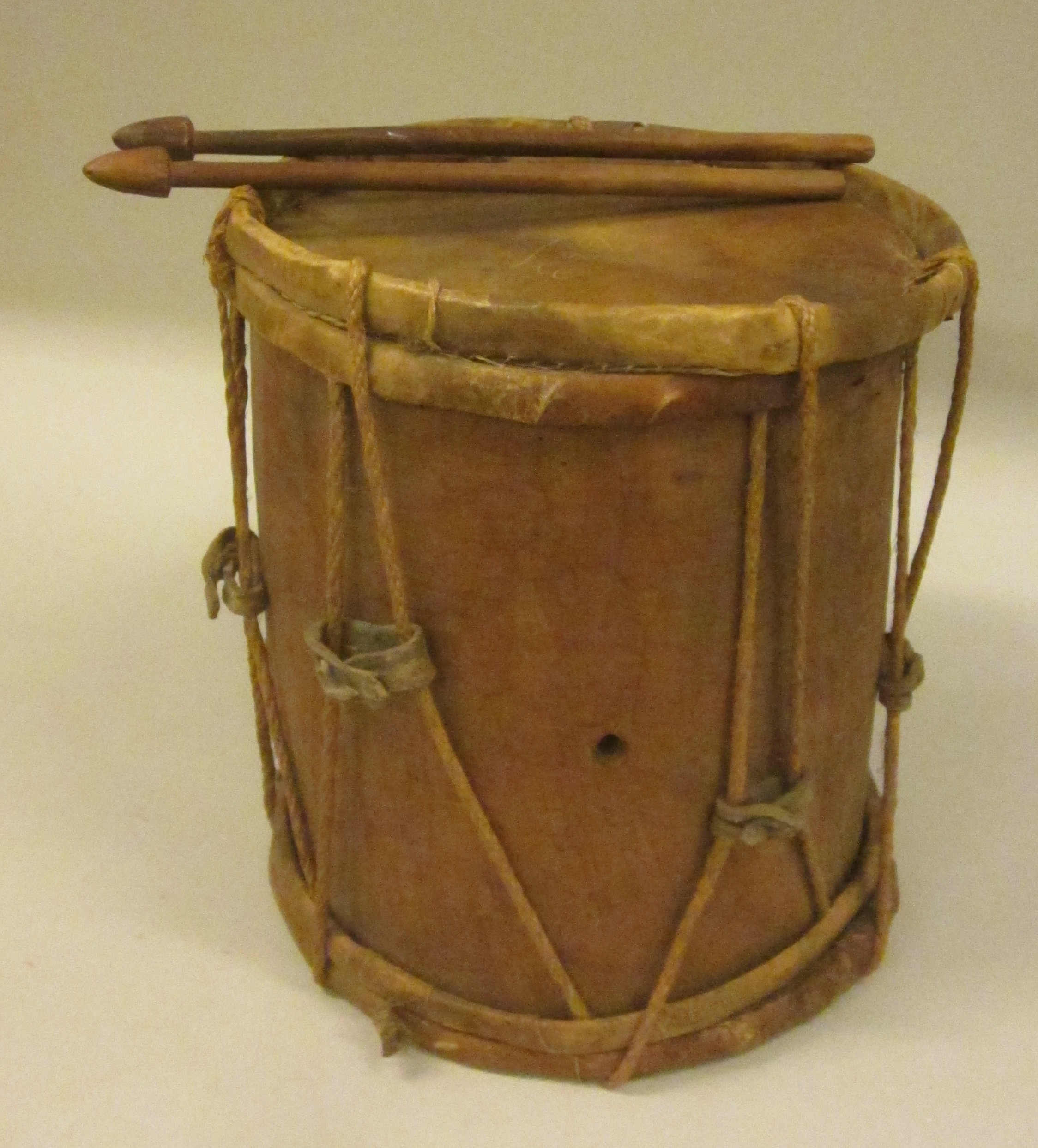
Drum Stick
drum stick
| Category | Percussion |
|---|---|
| Country of origin | Worldwide |
| Classification | percussion instrument, percussion mallet |
| Wikipedia | en.wikipedia.org |
| Wikidata | Q6566344 |
Editorial note: A drum stick is an accessory rather than an instrument. This page is included for completeness because drum sticks are central to most percussion playing; WP publication is recommended subject to CEO review and may be reclassified under “accessories” in the site taxonomy.
Overview
A drum stick is the slim wooden (or sometimes synthetic) striker used to play drums and many other percussion instruments. It typically consists of a long cylindrical or slightly tapered shaft, a thicker shoulder, and a small bead or tip at the playing end. Drum sticks are essential to the modern drum kit, to marching drums, to orchestral percussion, and to many world percussion traditions, and they exist in a wide variety of weights, lengths, and tip shapes optimised for different musical contexts.
Materials
The most common materials for modern drum sticks are:
- Hickory – the standard wood for most general-purpose sticks; balances weight, density, and shock absorption well.
- Maple – lighter and softer than hickory, often used for jazz and lower-volume playing.
- Oak – heavier and harder than hickory, used for high-volume rock and metal playing.
- Synthetics (polyurethane, carbon-fibre composite) – more durable and consistent than wood, used in marching and educational contexts.
Tips are most often made of wood, but nylon tips are common and produce a brighter cymbal sound and longer life.
Types and Sizes
Drum sticks are conventionally identified by a number-and-letter system originating with American manufacturers. Common sizes include:
- 7A – light, used for jazz and other quieter genres
- 5A – the most common general-purpose size
- 5B – slightly heavier than 5A, popular for rock
- 2B – heavier still, used for loud rock, metal, and practice
- Marching sticks – longer and heavier than kit sticks
Specialised relatives include brushes (wire bristles for soft jazz and brushed-snare effects), rods (small bundles of thin dowels for medium-volume playing), mallets (felt or yarn heads for orchestral and ethnic drums), and timpani sticks (felt heads on slim shafts).
Playing Role
The drum stick is the standard striker for the modern drum kit, the snare drum, and many marching and orchestral drums. It is also used on cymbals, on the shells of drums for rim-shots and cross-stick effects, and on a wide range of auxiliary percussion. Most popular-music drum playing depends on a small repertoire of grip styles — matched grip, traditional grip, and various regional variations — that all use the same basic stick.
Related Pages
- – the most stick-dependent drum of the kit and orchestra
- – the modern stick-played drum ensemble
- – the felt- or yarn-headed cousin of the drum stick
- – the wire-bristle alternative for soft playing


