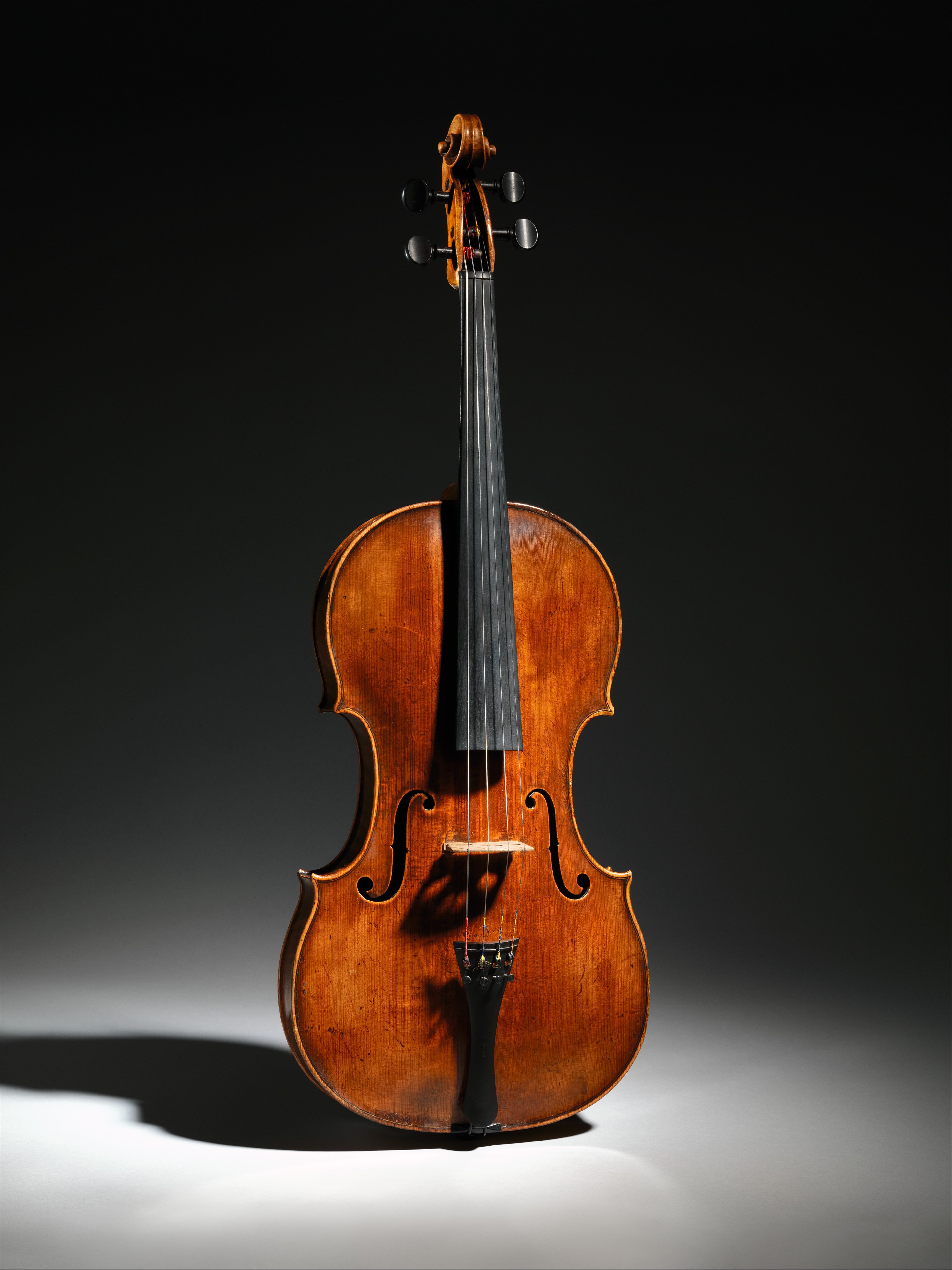
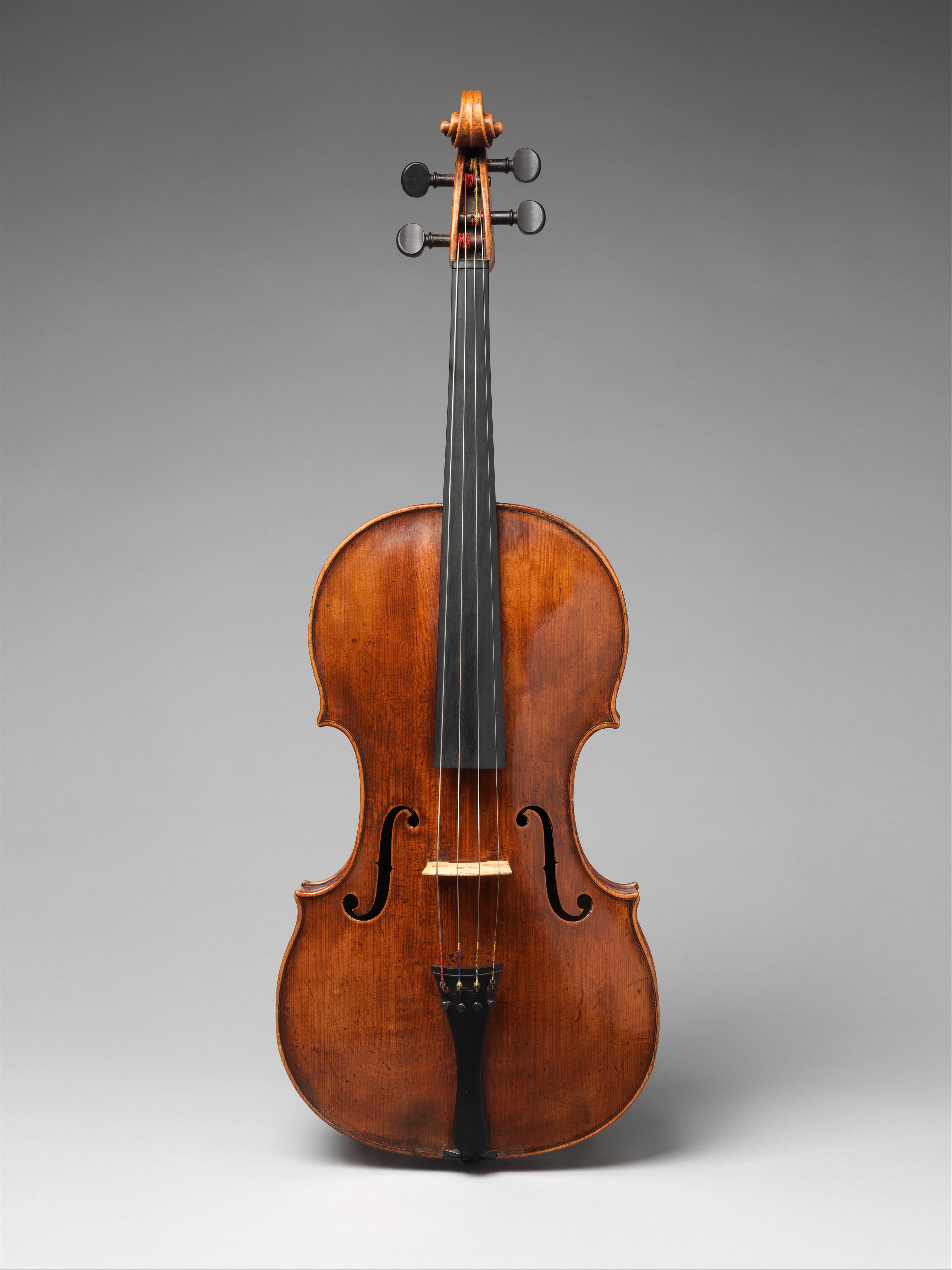
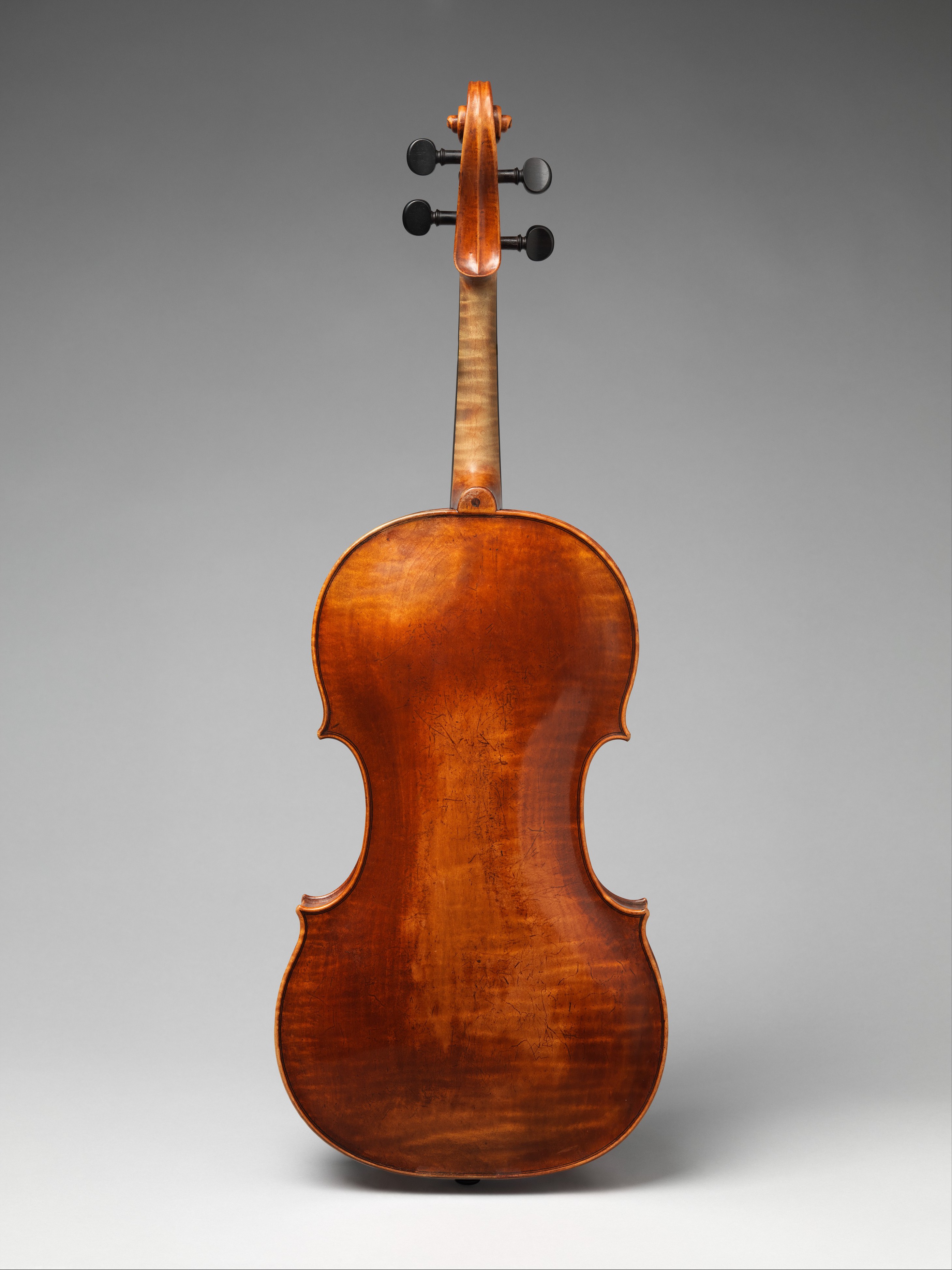
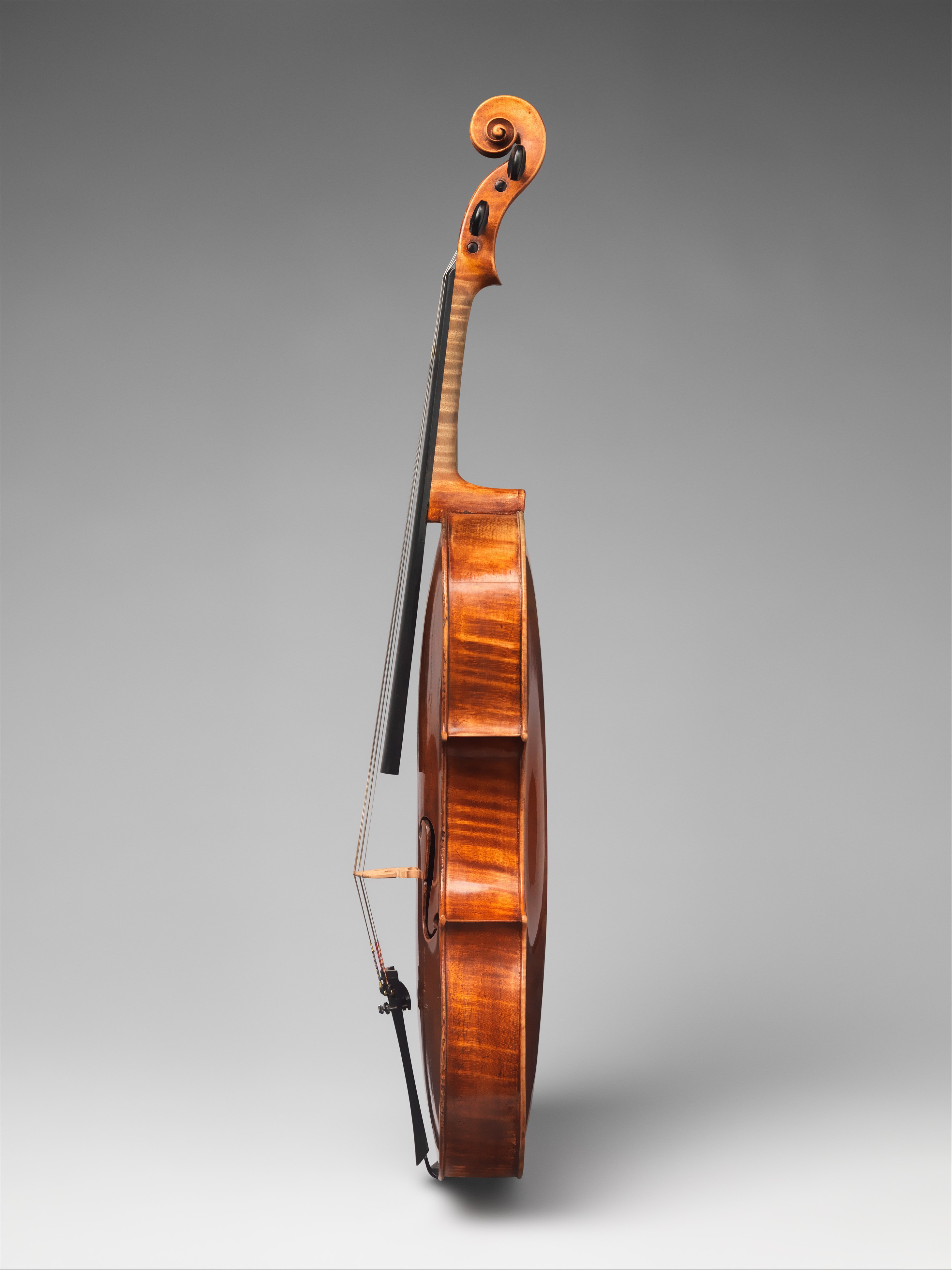
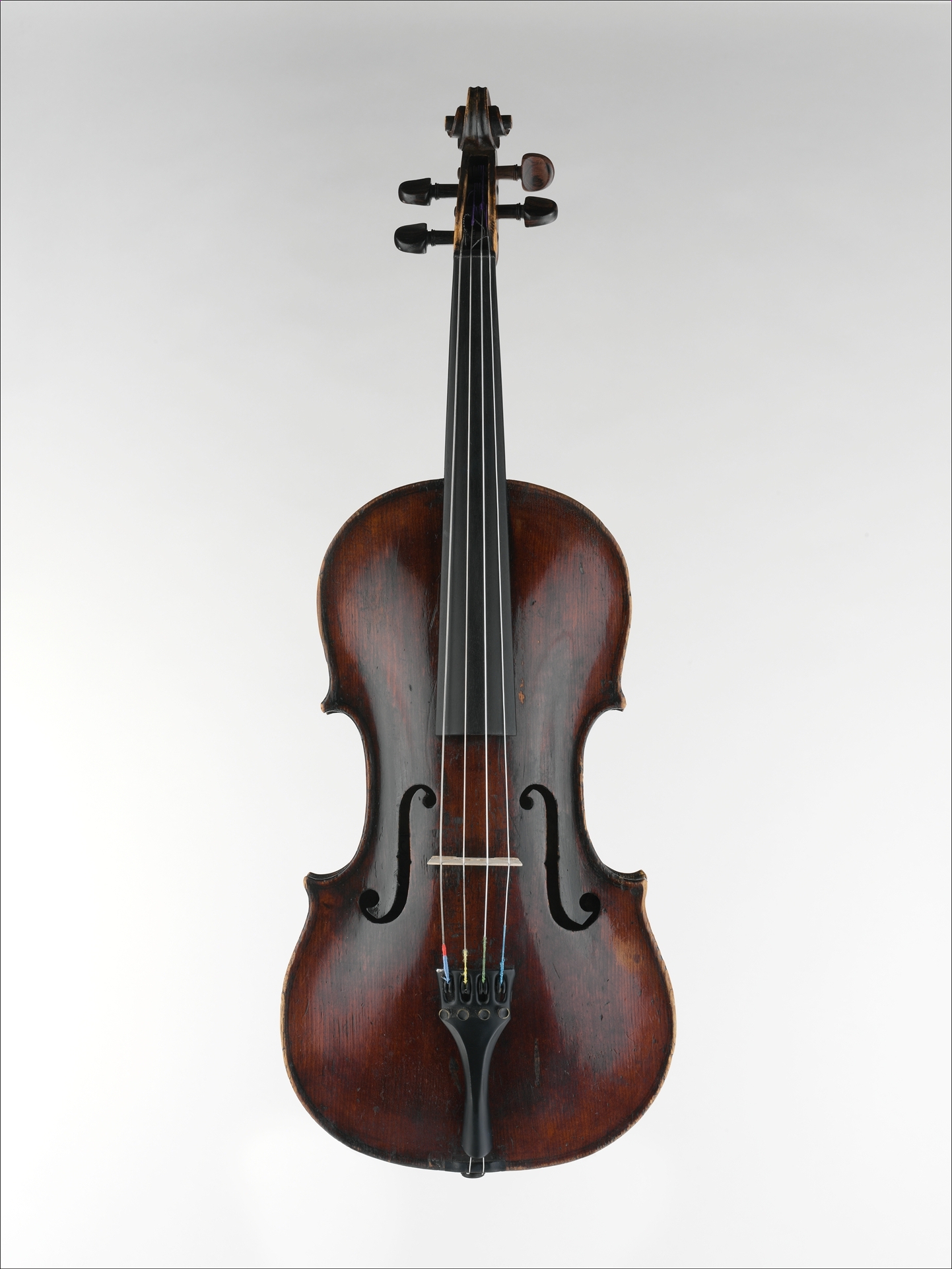
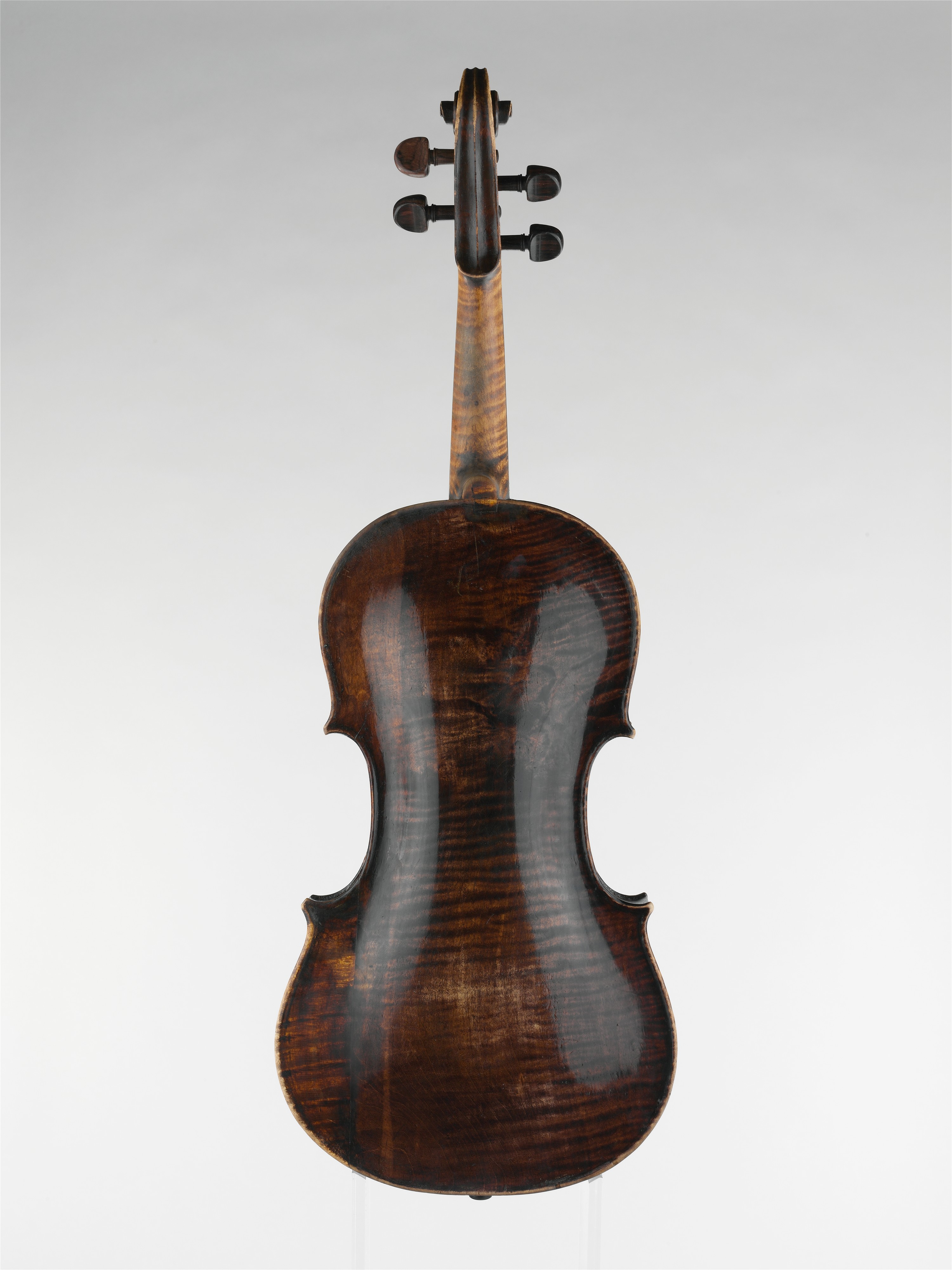
Medici tenor viola
Viola tenore Medicea
| Category | Museum-grade |
|---|---|
| Country of origin | Cremona, Italy (1690) |
| Classification | viola |
| Wikipedia | en.wikipedia.org |
| Wikidata | Q104878825 |
Overview
The Viola tenore Medicea is a tenor-sized viola produced by Antonio Stradivari at Cremona in 1690 as part of an instrument set commissioned for the Tuscan grand-ducal court. The instrument is preserved at the Conservatorio Luigi Cherubini in Florence, the city’s historic conservatory, where it has resided since the 19th century. It is one of a small handful of surviving Stradivari instruments to retain something close to their original 17th-century state, having been spared the routine 19th-century neck and bridge alterations that almost every other surviving Cremonese violin and cello underwent.
It carries forward an instrumental voice — the tenor viola — that fell out of regular orchestral and chamber use in the second half of the 18th century. The Medici instrument is therefore both a museum object and a sonic time capsule.
Origin & History
Stradivari built the instrument in Cremona in 1690 for Cosimo III de’ Medici, the ruling Grand Duke of Tuscany; the patronage was carried forward by his heir Ferdinando de’ Medici (the Grand-Princely heir of Tuscany), who was a serious musician and a documented patron of Italian instrument makers and composers. The 1690 commission encompassed several instruments — violins, the tenor viola, an alto viola (now separated from the set), and a cello — intended as a complete consort for the grand-ducal chapel.
In Stradivari’s working era violas were built in two sizes: the larger tenor (roughly 47-48 cm body length) and the smaller contralto (typically 41 to 42 cm). The tenor was used in five-part Renaissance and early-Baroque music to fill the inner voice between the alto viola and the cello; once that five-part scoring fell out of fashion, demand for tenor-size instruments collapsed, and the surviving examples were either left in their cases, modified to play modern viola repertoire, or quietly cut down. The Medici instrument was preserved largely intact because of its grand-ducal provenance and the absence of pressure to modernise it.
The two violas of the original Medici set were separated from one another in the late 18th century. The tenor instrument has been catalogued at the Cherubini conservatory at least since an inventory of 1863. The contralto viola of the same set is held in a separate institution.
Construction & Materials
The instrument has the standard Stradivari tenor-viola dimensions of approximately 47.6 cm body length, with a carved spruce top and a maple back and ribs (one-piece back). The varnish is the warm orange-brown characteristic of Stradivari’s mature period in the 1680s and 1690s, well preserved by the instrument’s protected history. The neck angle and fingerboard length are essentially unaltered from the original Baroque setup, in contrast with most Stradivari violins, which were uniformly modified in the early 19th century to accommodate the higher tension and longer scale of modern strings.
Internal features — bass bar, sound post position, linings, label — have all been documented in published studies of the Cherubini collection. The instrument is held in the Cherubini Museum collection alongside other Medici-provenance instruments and is exhibited in protected display.
How It’s Played
The tenor viola is played in the same fundamental way as a modern viola — held under the left jaw, supported by the chin, bowed across the strings with the right hand, fingered against the unfretted fingerboard with the left — but the larger size requires a longer left arm reach and a heavier bow stroke. Recordings on tenor violas (modern reconstructions, occasional surviving instruments) demonstrate a darker, more cello-like inner voice than the modern alto viola produces.
The instrument is rarely played publicly in modern times; when it is brought into use, the events are typically scholarly recording sessions or special concerts at the Cherubini conservatory. Most of what is known acoustically about the original tenor-viola voice comes from tenor-pattern reconstructions by modern makers rather than from the historical instruments themselves.
Cultural Significance
The Medici tenor viola occupies a unique place in the historical understanding of the violin family. It is direct material evidence of the five-part Renaissance and early-Baroque scoring tradition; the orchestral string section as we know it (violin–viola–cello–double bass) is the result of the gradual disappearance of the tenor voice that this instrument represents. Performances of Monteverdi, Carissimi, Schütz, and early Lully on period instruments often include reconstructed tenor violas to recover the missing voice.
The instrument is also part of the broader Medici musical patronage that shaped Florentine and Italian music from the late 15th to the early 18th century, including the Camerata fiorentina that produced the first operas, Bartolomeo Cristofori’s invention of the piano (under Ferdinando de’ Medici’s direct patronage in 1700), and the city’s continuous tradition of luthier workshops.
Notable Examples & Recordings
- The instrument has been the subject of academic study at the Cherubini conservatory and of occasional recording projects exploring the tenor-viola repertoire.
- Modern reconstructions of tenor violas — built by makers including David Rivinus and Otto Erdesz — are used by ensembles such as the Hilliard Ensemble’s instrumental collaborators and various five-part early-music groups.
Related Instruments
- Viola — the modern alto member of the violin family.
- Violin — the soprano member, also produced by Stradivari.
- Cello — the tenor-bass member.
- Tenor violin — a separate historical voice, smaller than the tenor viola.
- Viola d’amore — the related Baroque instrument with sympathetic strings.
- Viola da gamba — the older fretted bass viol from a separate family.
- Queen Mary Harp — another museum-grade national instrument of comparable historical importance.
Where to Hear It
The instrument is on view at the Conservatorio Luigi Cherubini’s museum collection in Florence, alongside other Medici-provenance instruments. Recordings of period tenor-viola repertoire (Monteverdi vespers, Carissimi oratorios, early Lully ballets) on tenor-size instruments are available from a small number of historically-informed ensembles.
- Wikipedia: Medici tenor viola
- Wikidata: Medici tenor viola (Q104878825)
- DBpedia: Medici tenor viola
- Conservatorio Cherubini Museum collection
Learning Resources
There is no contemporary student-instrument equivalent of the Medici tenor viola; the instrument’s voice exists today only on a handful of museum originals and a small number of modern reconstructions. Scholarly study draws on the Stewart Pollens monographs on the Cherubini collection, the Charles Beare and Bruce Carlson catalogues of Stradivari’s surviving work, and the published studies of the Stradivari archive in Cremona. The Conservatorio Cherubini periodically hosts study sessions and academic conferences on its collection.
Frequently Asked Questions
Why is the tenor viola obsolete?
Because the five-part scoring tradition for which it was built fell out of fashion in the second half of the 18th century. Once classical orchestral writing standardised on a four-part string division (violin 1, violin 2, viola, cello), there was no regular use for an inner voice between viola and cello.
Is the Medici tenor viola ever played?
Rarely, and almost always only in scholarly contexts at the Conservatorio Cherubini. It is preserved primarily as a museum object rather than as a working instrument.
Why is it in such good condition?
Because it was rarely used after the late 18th century. Most Stradivari violins were heavily played for the next two centuries and underwent the standard 19th-century modernisation; the tenor viola was effectively retired and therefore preserved.
Where is it displayed?
At the museum of the Conservatorio Luigi Cherubini in Florence, the city’s historic conservatory, alongside other instruments of the former Medici grand-ducal collection.
How many other Stradivari tenor violas survive?
A small number — fewer than ten according to the standard Stradivari catalogues. The Medici instrument is the most famous and the best preserved.


