
Piccolo
Piccolo / flauto piccolo
| Category | Woodwind |
|---|---|
| Country of origin | Europe (18th century) |
| Classification | transverse flute, type of musical instrument |
| Wikipedia | en.wikipedia.org |
| Wikidata | Q83509 |
Listen
Audio: Jeuwre, CC BY-SA 4.0 / via Wikimedia Commons
Audio: Valeriocd, CC0 / via Wikimedia Commons
Audio: Speaker: WikiLucas00 Recorder: WikiLucas00, CC BY-SA 4.0 / via Wikimedia Commons
Overview
The piccolo is a small transverse flute that sounds an octave higher than the concert flute. Wikidata defines it concisely as a small flute pitched one octave above the C concert flute, and files it as a sub-type of the modern Western concert-flute family. DBpedia gives the Hornbostel-Sachs reading 421.121 — a flute-like aerophone with keys.
In every important physical and technical respect the piccolo is a half-length concert flute. It uses the same Boehm key system, the same embouchure technique, and the same fingering chart. What differs is the result: the piccolo’s compressed dimensions push it into a register where it can cut through the loudest orchestra or marching band, which is the entire point of the design.
Origin & History
Small high-pitched transverse flutes appear in European military music from the late 17th century onward — the fife of the British, French, German, and American military traditions is a piccolo-register instrument that predates the modern Boehm-system piccolo by more than a century. By the early 19th century the piccolo as a separate orchestral instrument is well established: Beethoven’s Fifth Symphony (1808) has one of the earliest prominent orchestral piccolo parts.
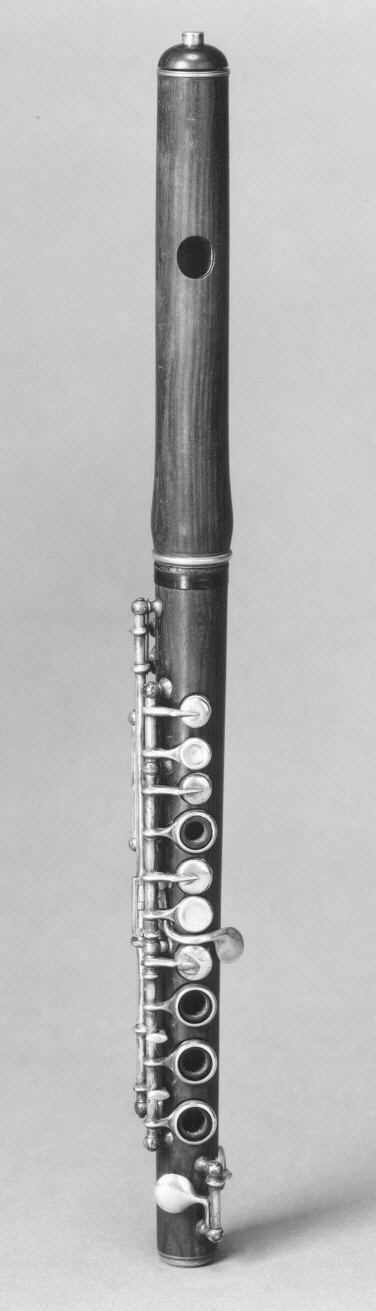
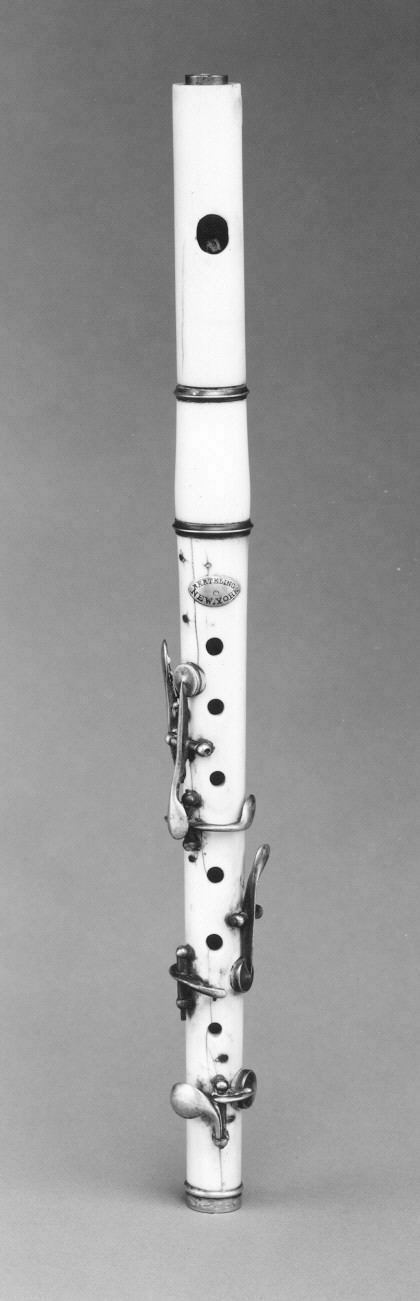
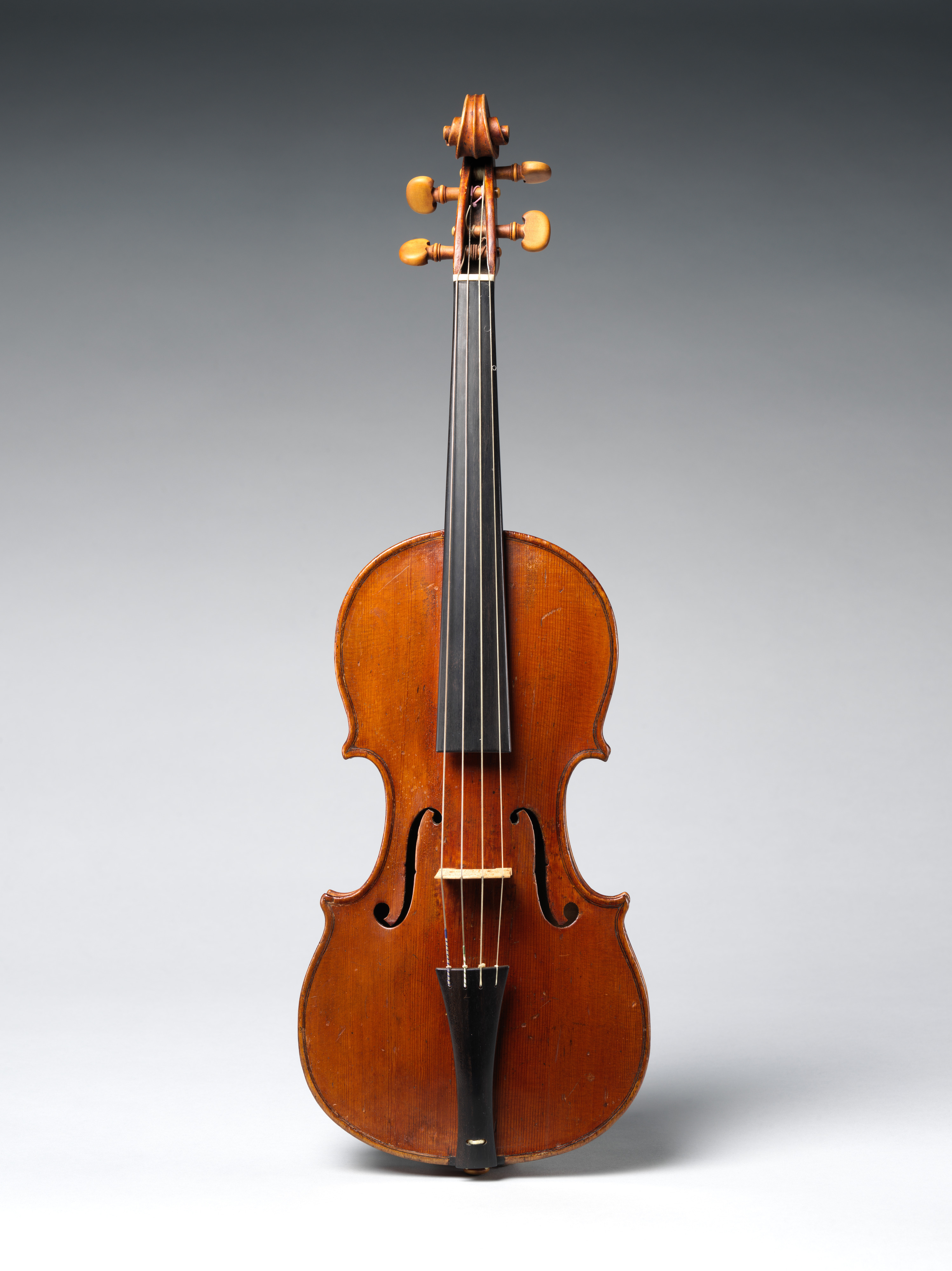
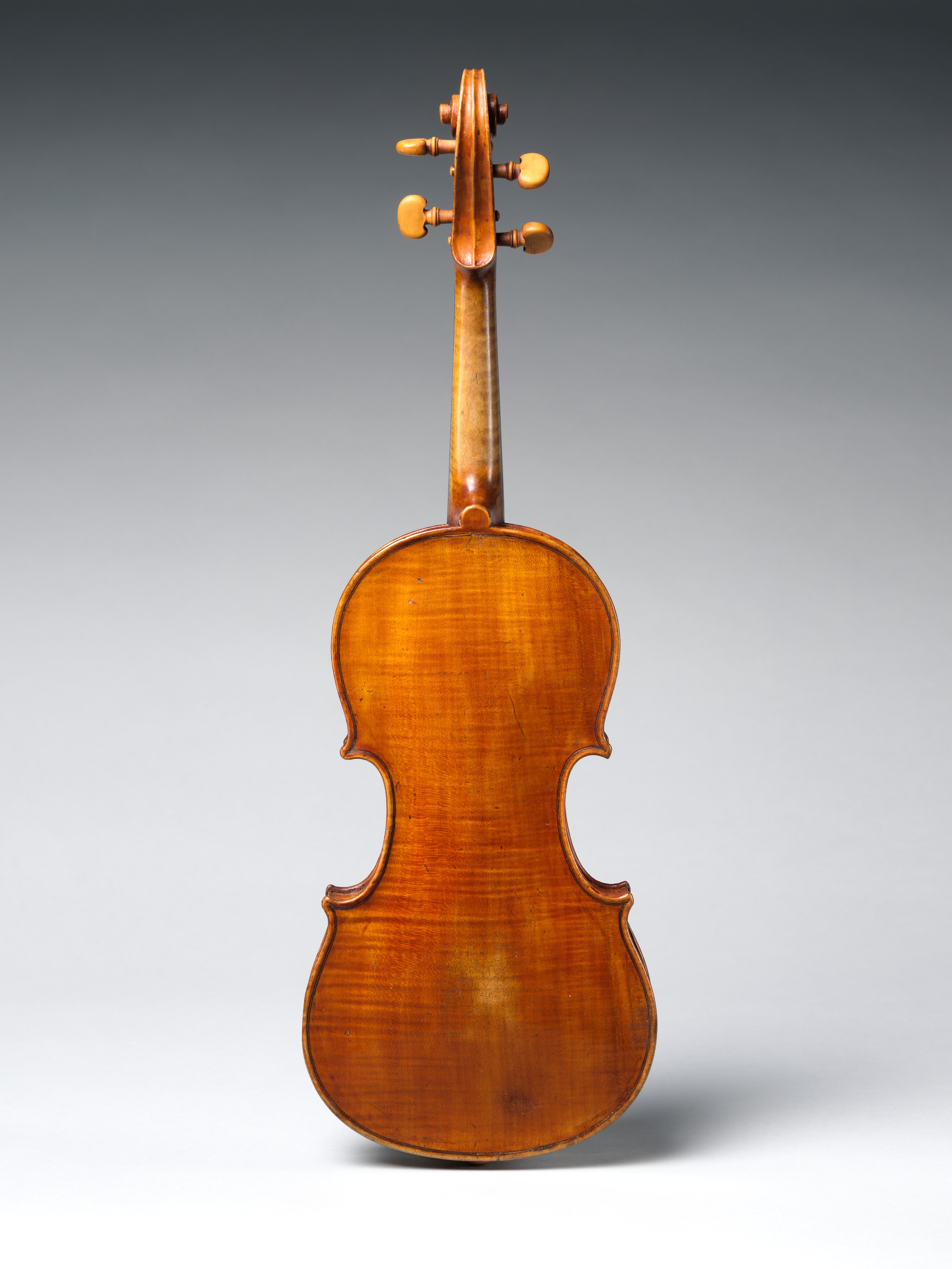
The MET collection documents the materials transition of the 19th-century piccolo. Object 504054 is a French piccolo of the second half of the 19th century, made of wood and metal — the standard European materials of that period. Object 503418 is an American piccolo of about 1860-75, made of ivory, brass, and silver — a high-end American instrument from the period when American flute-making was beginning to compete seriously with European workshops. Object 854653 is a British “violino piccolo” of about 1750 — included in the MET catalogue under the same Italian-derived word piccolo but referring to a small violin, not a flute, and a useful caution about the polysemy of the term.
The Boehm key system, applied to the concert flute in 1847, was adapted to the piccolo over the second half of the 19th century. By 1900 the standard concert and band piccolo was a Boehm-system instrument in either grenadilla wood or silver-plated metal, with metal headjoint and keys in either case.
Construction & Materials
A standard modern piccolo is about 32 cm long — roughly half the length of a concert flute. It is built in two sections: a head joint with the embouchure hole and lip plate, and a body with most of the keys. Unlike the concert flute, the standard piccolo has no separate foot joint, and it lacks the lowest note (C4 on the concert flute corresponds to D5 as the piccolo’s lowest note).
Three materials dominate modern construction. Grenadilla (African blackwood) gives the warmest tone and is preferred by orchestral players. Silver or silver-plated nickel-silver gives the brightest projection and is preferred for marching band and military use. A grenadilla body with a silver head joint is a common compromise. The MET specimens illustrate the materials experimentation that preceded these standards — the 1860-75 American instrument’s ivory-and-brass-and-silver assembly was an attempt at projection without sacrificing tonal warmth.
How It’s Played
Embouchure, fingering, and articulation are essentially identical to the concert flute. The differences are subtle: the smaller embouchure hole requires a more focused airstream; the higher register requires more attentive intonation control (small embouchure adjustments produce larger pitch changes than on the concert flute); the higher pitch also requires more careful dynamic shading to avoid harshness in forte passages.
Most professional flutists develop piccolo as a secondary instrument. A small number of orchestral specialists — the dedicated piccolo chair in major orchestras — focus on the instrument exclusively, since the orchestral piccolo repertoire is large enough to support a full career.
Cultural Significance
The piccolo holds a fixed chair in the symphony orchestra (one player as standard, occasionally two), in the concert wind ensemble, and in the marching band. Some of the most famous solos in the orchestral literature are piccolo solos: the second-movement opening of Tchaikovsky’s Fourth Symphony, the storm in Rossini’s William Tell overture, the famous trio piccolo countermelody in Sousa’s march Stripes Forever (the most famous piccolo solo in marching-band literature), the opening of Vivaldi’s Piccolo Concerto in C major, and the prominent piccolo writing in Shostakovich’s symphonies and Stravinsky’s Petrushka.
In military and marching-band repertoire the piccolo carries the brilliant top-line countermelody that rides above the brass. The American Sousa-band tradition and the British military-band tradition both feature prominent piccolo work; the Stars and Stripes Forever trio is the canonical reference example.
Notable Examples & Recordings
- Lillian Burkart, Jean-Louis Beaumadier, and Jan Gippo — leading modern solo piccolo recording artists.
- The Sousa Band recordings of the early 20th century — historical reference for the marching-band piccolo tradition.
- Mathieu Dufour (Berlin Philharmonic principal flute, frequent piccolo soloist) — modern orchestral reference.
- Vivaldi piccolo concerti recordings — the small but cherished Baroque solo repertoire (these were originally written for flautino, an early small recorder, and are routinely played on modern piccolo).
- Lowell Liebermann’s Piccolo Concerto (1996) — modern American piccolo concerto reference.
Related Instruments
- Western concert flute — the parent instrument, sounding an octave lower.
- — a fourth lower than the concert flute.
- — an octave lower than the concert flute.
- Fife — the older European military small flute.
- Tin whistle — the Irish folk small whistle.
- — the small end-blown duct flute relative.
- — the rarely-used intermediate-size flute.
Where to Hear It
In every full-time symphony orchestra in the world, every concert wind ensemble, every military band, and every marching band. The British and American military bands give particularly prominent piccolo writing. Major flute conventions (the National Flute Association annual convention in the US, the British Flute Society Convention) include dedicated piccolo programming. Recording labels with deep piccolo catalogues include Naxos, BIS, and Crystal Records.
- Wikipedia: Piccolo
- Wikidata: Piccolo (Q83509)
- DBpedia: Piccolo
- MET Object 504054 (French piccolo, mid-19th c.)
- MET Object 503418 (American piccolo, c.1860-75)
- Wikimedia Commons: Piccolos
Learning Resources
A new student piccolo (Yamaha YPC-32, Pearl PFP-105) costs 800 to 1,500 USD; an intermediate grenadilla instrument (Yamaha YPC-62, Pearl PFP-165) runs 2,000 to 3,500 USD; a professional handmade piccolo (Burkart Resona, Powell Conservatory, Hammig) starts around 5,000 USD. Pedagogy: Trevor Wye’s A Piccolo Practice Book is the standard introductory volume; Jan Gippo’s The Complete Piccolo covers professional-level technique; Mary Karen Clardy’s piccolo etudes fill the intermediate level.
Frequently Asked Questions
Is the piccolo just a small flute?
Physically yes — it is essentially a half-length concert flute, with the same Boehm key system. Musically it has its own identity: the higher register, sharper projection, and more demanding intonation make it a specialist instrument despite the technical similarity.
What is the piccolo’s range?
About three octaves, from D5 (the lowest note on most modern piccolos) up to about C8. Some specialist piccolos extend down to C5.
Why does the piccolo sound so loud?
Because its register sits above most of the orchestral mass and because the human ear is most sensitive in the 2-4 kHz range, which the piccolo occupies prominently. The instrument is not actually loud in absolute terms — it just cuts through.
Is the piccolo a separate instrument from the flute?
It is a separate instrument that uses the same fingering and embouchure technique. Most professional flutists play piccolo as a secondary instrument; some specialise in piccolo only.
What is the most famous piccolo solo?
In orchestral repertoire, probably the storm in Rossini’s William Tell overture or the second-movement opening of Tchaikovsky’s Fourth. In marching-band repertoire, the trio of Sousa’s Stars and Stripes Forever.


