
Fife
| Category | Wind |
|---|---|
| Country of origin | Central Europe (medieval to Renaissance) |
| Classification | type of musical instrument, wind instrument |
| Wikipedia | en.wikipedia.org |
| Wikidata | Q2255516 |
Listen
Audio: Kevin MacLeod, CC BY 3.0 / via Wikimedia Commons
Audio: Ttocserp, CC BY-SA 4.0 / via Wikimedia Commons
Audio: sturbridge colonial militia, PD / via Internet Archive
Overview
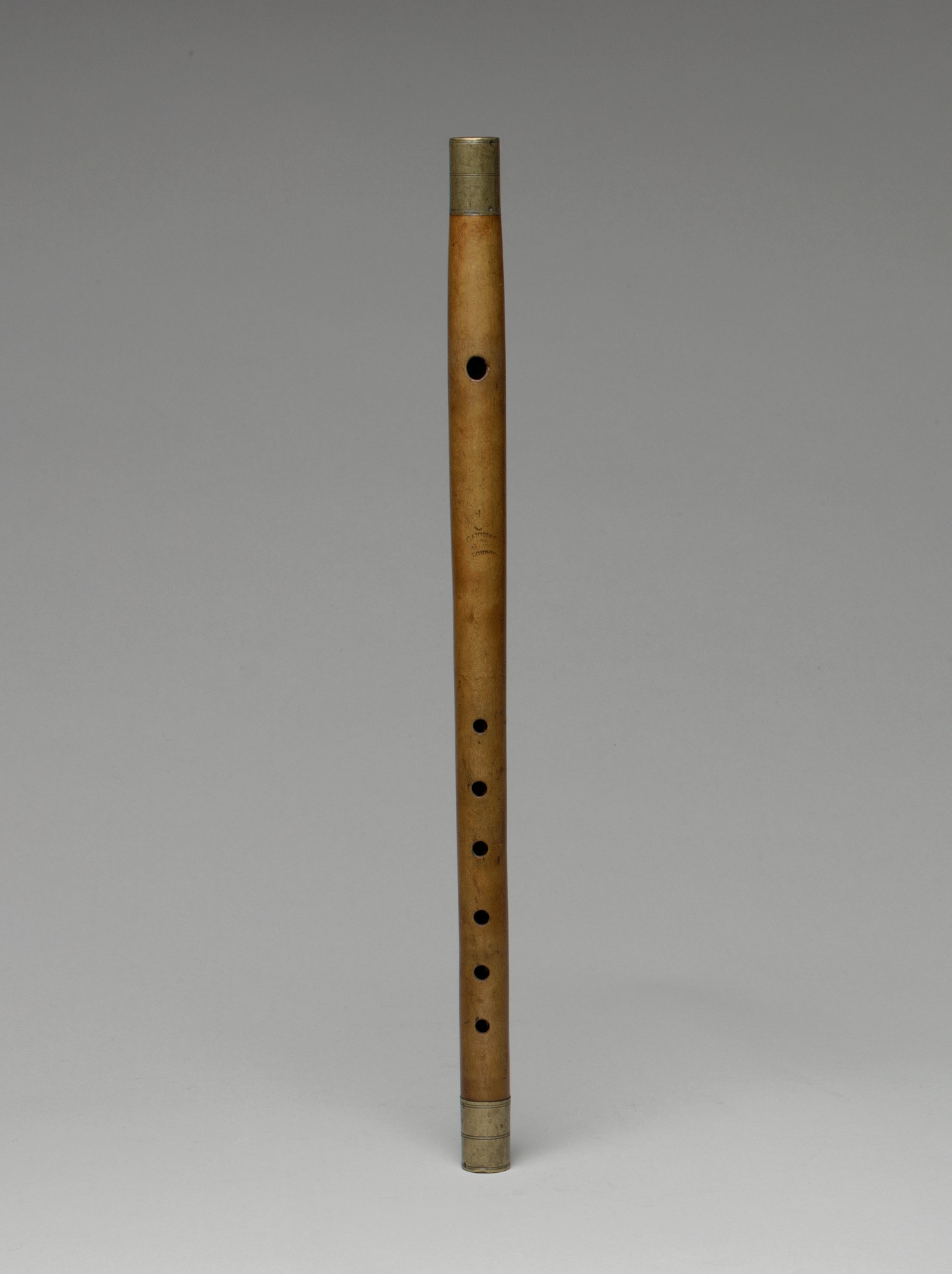
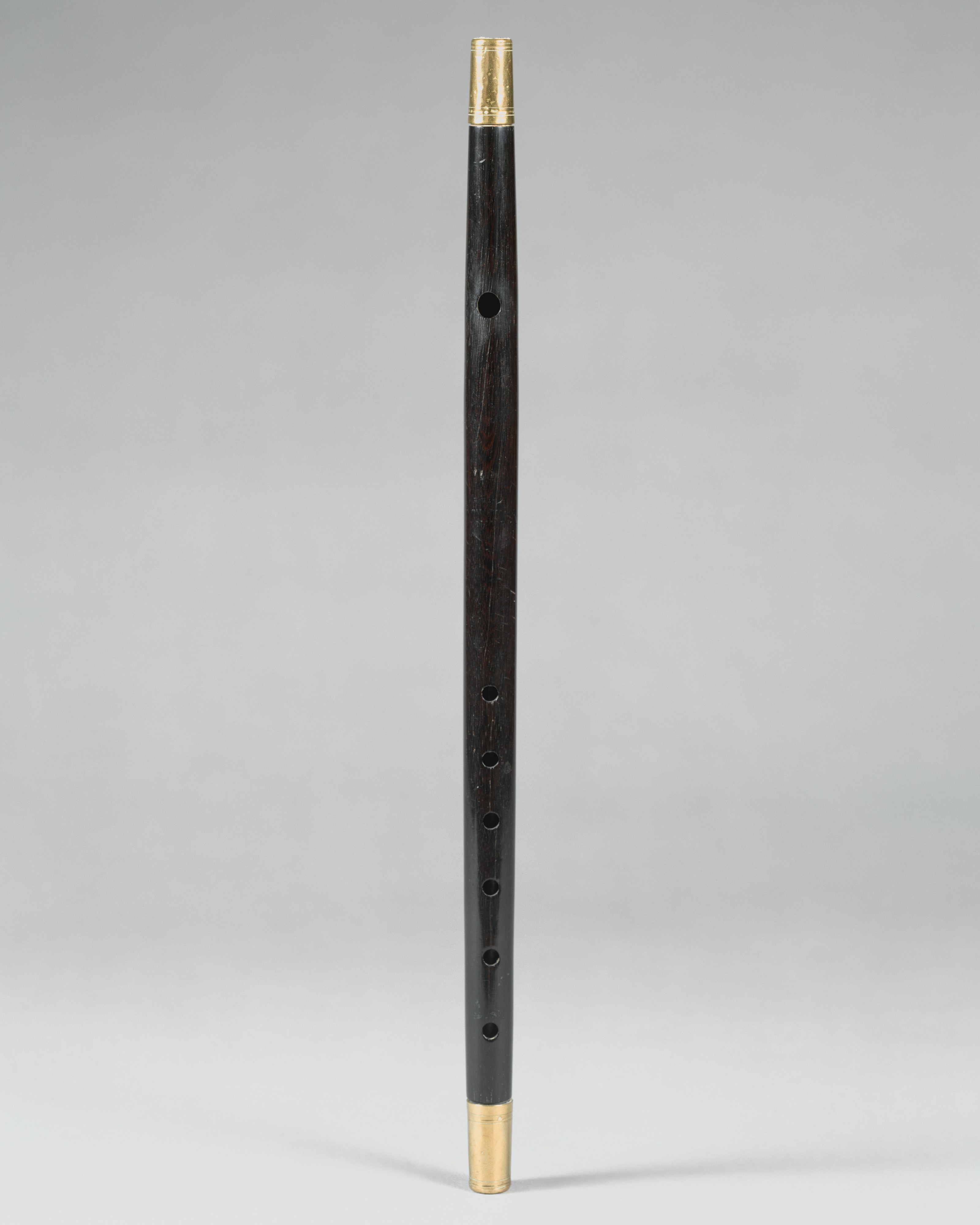
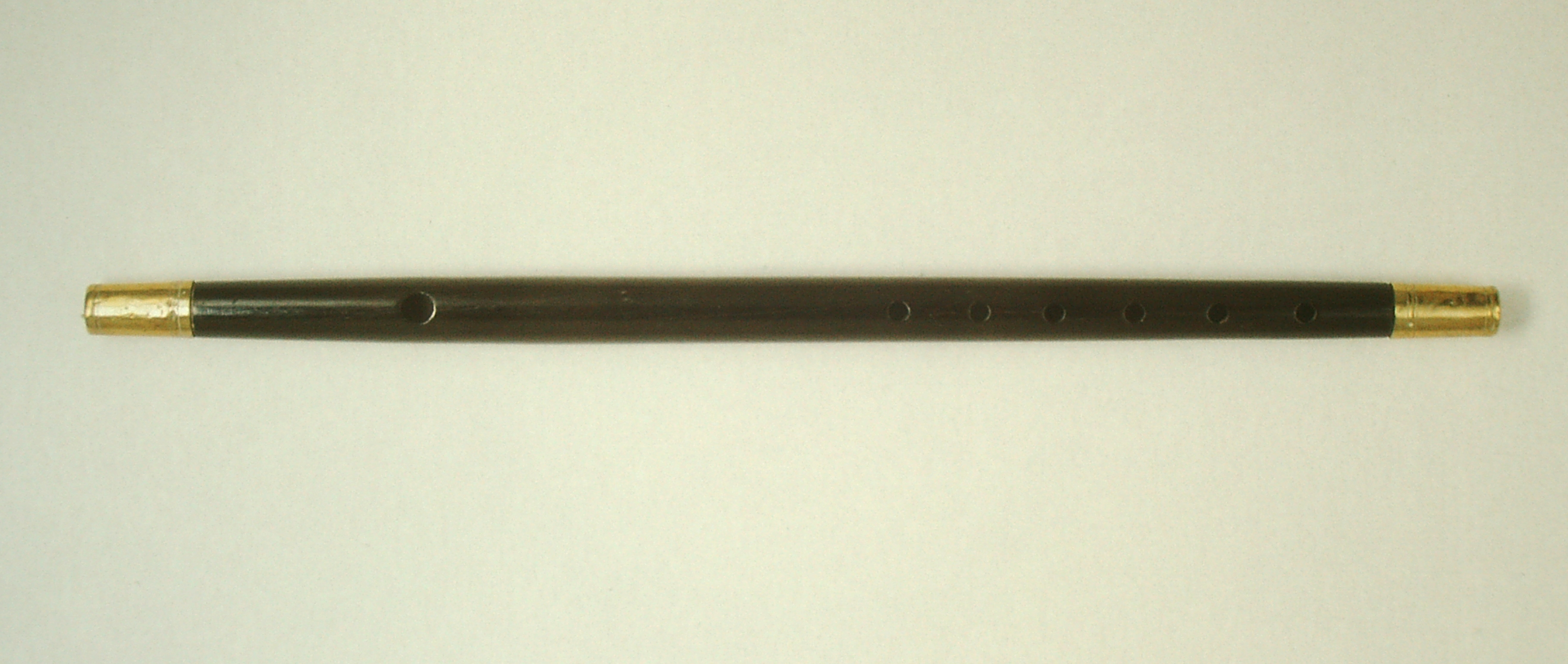
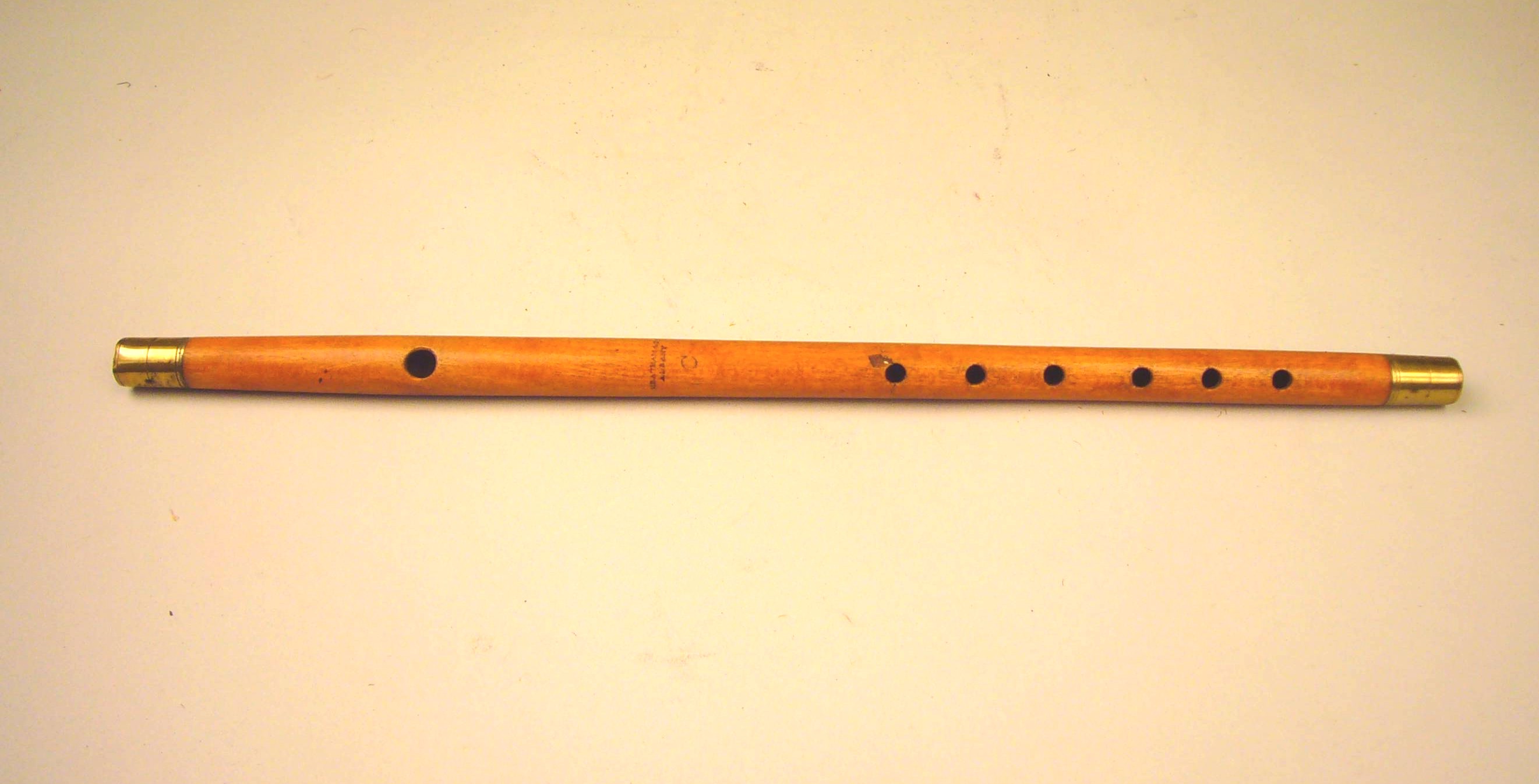
The fife is a small side-blown wooden flute pitched normally in B-flat or C, having six unkeyed finger holes. It is loud for its size, narrow in bore, high in pitch, and designed to project across the open air of a parade ground or battlefield. For four centuries the fife was the standard melodic instrument of European and American military music, almost always paired with the snare drum in what came to be known as fife and drum.
Wikidata describes the fife simply as a transverse flute and classes it as a wind instrument. It is closely related to the larger Western concert flute but predates that instrument’s keyed development by several centuries.
Origin & History
The fife emerged in the German-speaking and Swiss cantons of central Europe in the late medieval period. By the early 16th century, Schweizerpfeifer (Swiss fifers) were standard in the mercenary infantry that hired out across Europe, and the fife had spread along with Swiss tactical formations to the French, Spanish and English armies. During the opening decades of the seventeenth century the fife-and-drum combination became the universal signal language of Western infantry: short tunes communicated movements, calls and parade routines from a distance.
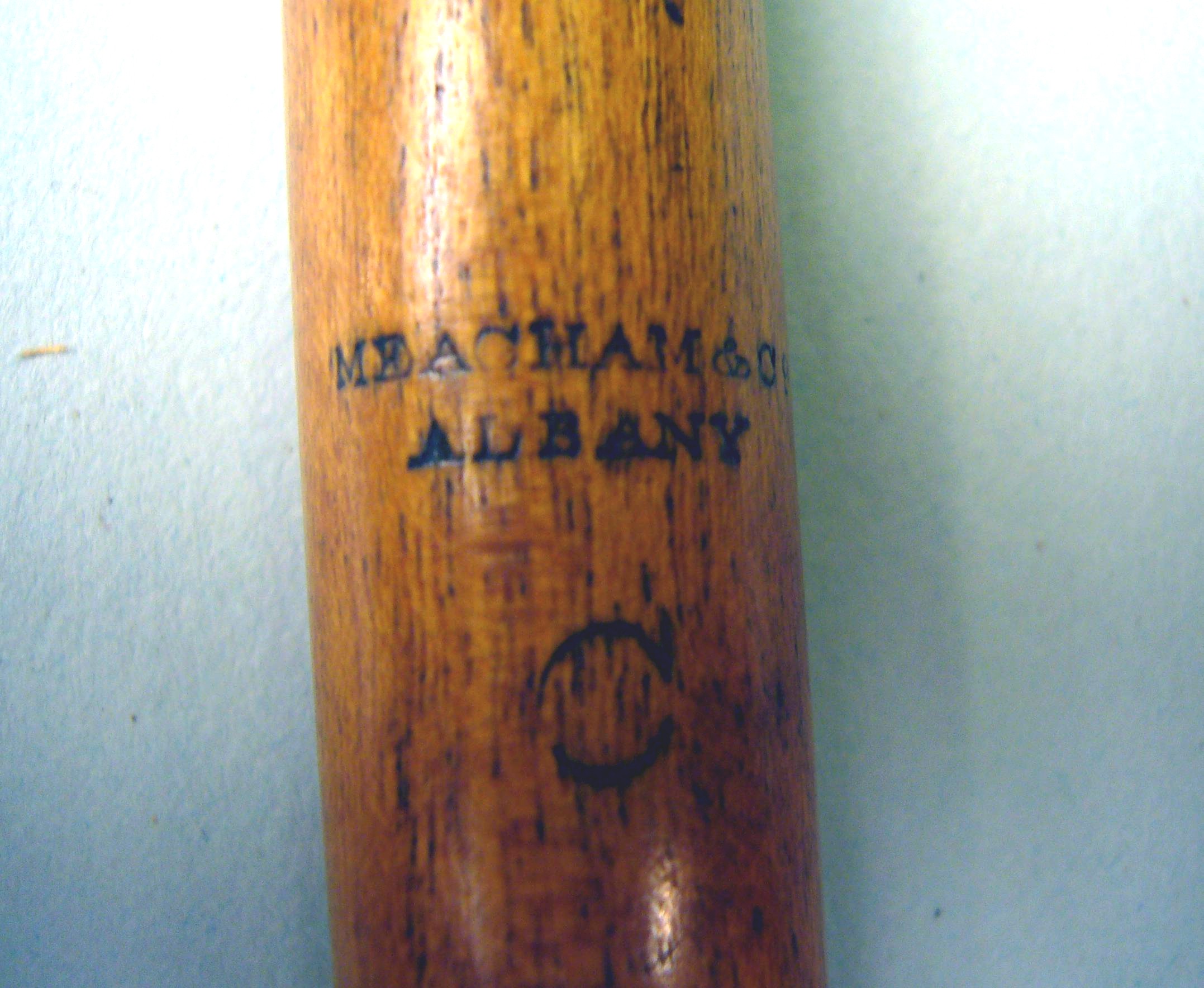
The fife reached the height of its military use across the Georgian and early Victorian period. The Metropolitan Museum’s collection holds four fifes from this period. A British fife of around 1780–90 (object 503819), built of maple and brass, dates from the American Revolutionary War era. An American fife of 1819–43 (object 504192) sits squarely in the early Republic period. A second American fife (object 504136), of wood and brass and dated to the early 19th century, comes from the same era. An Italian fife in B-flat (object 501528), made of iron and from the 19th century, points to the wider European military use of the instrument. All four are catalogued in the Musical Instruments department.
The U.S. Civil War of 1861–65 stands out in fife history. Many thousands of fifers served in Union and Confederate regiments, fife-and-drum corps were standard at the company level, and an enormous American repertoire of fife tunes — The Girl I Left Behind Me, The Liberty Bell, The Downfall of Paris, Yankee Doodle — entered popular memory through this conflict. The fife continued in formal military use into the early 20th century before being displaced by the bugle and band brass for outdoor signalling.
Construction & Materials
A standard fife is between 35 and 45 centimetres long and is bored in a single piece (in cheaper instruments) or in two jointed sections (in better ones). Tonewoods include cocus, grenadilla, rosewood, maple and pearwood. Cheaper military fifes from the 19th century were often built of softer woods or, as in the MET’s Italian specimen, of iron. Brass mounts at the head and foot reinforce the wood against splitting under the high air pressure required to drive the narrow bore.
The bore is cylindrical and narrow — typically around 10 millimetres — which gives the fife its piercing, high-projection sound. Six finger holes are placed for diatonic playing in the home key (B-flat for most American military fifes, D for Irish marching fifes, A or B-flat for British military fifes), and the player produces accidentals through cross-fingerings or partial covering.
How It’s Played
The player holds the fife horizontally to the right, blows across a single embouchure hole near the head end, and covers and uncovers the six finger holes with three fingers of each hand. The high register is reached by overblowing — increasing the air pressure to set up the second harmonic — and good fifers can play across two and a half octaves with a controlled tone.
Fife technique places great weight on rhythm and articulation. Military fifing in particular uses a vocabulary of single-tongue, double-tongue, flam-and-roll patterns that mirror the snare-drum part it accompanies, and the fife-and-drum combination depends on absolute rhythmic alignment between the two instruments.
Cultural Significance
The fife is one of very few instruments to be associated almost exclusively with a single context — military music — for most of its history. Its survival into the present century rests largely on the strength of the American fife-and-drum tradition, which is preserved by the Connecticut-based fifers-and-drummers society headquartered in Connecticut, the United States Air Force Heritage of America Band, and a network of Civil-War-reenactment fife-and-drum corps that span the eastern United States.
In Switzerland the fife survives in the Basel Fasnacht carnival, where Swiss-piccolo (a relative of the fife in B-flat) is played by hundreds of musicians in the night-time parade routines that the city has held for centuries. In Ireland and Northern Ireland fife-and-drum bands continue to play in summer parade season, and in Britain the fife retains a ceremonial role in regimental music.
Édouard Manet’s 1866 painting The Fifer, the standard public-domain image of the instrument and the source of the Wikimedia Commons reference photograph, depicts a Spanish-army fife player and remains among the best-known instrumentalist portraits in nineteenth-century European art.
Notable Examples & Recordings
The MET’s four fifes (objects 503819, 504192, 504136, 501528) span British, American and Italian military use across roughly six decades. The Smithsonian National Museum of American History holds further important Civil War-era fifes.
For listening:
- The Old Guard Fife and Drum Corps, Music of the American Spirit — the U.S. Army’s ceremonial unit playing standard American military fife repertoire.
- The Connecticut-based fifers-and-drummers society, archival recordings — the central American fife-and-drum society’s documentation of the tradition.
- The Basel Tambour-und-Pfeiferzunft Fasnacht recordings — the Swiss piccolo-and-drum tradition in carnival use.
Related Instruments
- Western Concert Flute – the larger keyed transverse flute that descends from the same instrumental family.
- Piccolo – the small orchestral flute that effectively replaced the fife in concert and band music.
- Tin Whistle – the duct flute of Irish folk music, often played alongside the fife in some traditions.
- – the percussion partner of the fife in centuries of military music.
Where to Hear It
The annual Deep River Ancient Muster in Connecticut is the largest fife-and-drum gathering in the United States, drawing dozens of corps every July. The Williamsburg Fife and Drum, the Old Guard, and the U.S. Air Force Heritage of America Band all perform regularly in ceremonial settings. In Switzerland, the Basel Fasnacht in February is the major annual event for the Swiss-piccolo tradition. In Ireland and Britain, summer parade season brings fife-and-drum bands into many town centres.
- Wikipedia: Fife (instrument)
- The MET: Fife, British ca. 1780-90 (object 503819)
- The MET: Fife, American 1819-43 (object 504192)
- The MET: Fife, Italian iron (object 501528)
- Wikimedia Commons: Fife (flute)
Learning Resources
A beginner fife in B-flat by Cooperman or Sweetheart Flute can be bought new for around 50 USD. Standard tutors include the Bruce and Emmett’s Drummers’ and Fifers’ Guide (1862), still in print and used as a primary source by Civil War-era fifers, and the more recent Cooperman Fife Tutor. The Connecticut fifers-and-drummers society maintains an archive and runs annual workshops in Ivoryton, Connecticut. The Swiss-piccolo tradition is taught through the Basel cliques and trommlerschulen.
Frequently Asked Questions
What is the difference between a fife and a piccolo?
The fife is a six-hole keyless wooden flute with a narrow bore and a strong, projecting tone designed for outdoor use. The piccolo is a smaller version of the modern keyed orchestral flute, with a fully chromatic key system. The two evolved from the same family, but the modern piccolo is an orchestral instrument while the fife remains a folk and ceremonial instrument.
Where was the fife invented?
The fife emerged in the German-speaking and Swiss cantons of central Europe in the late medieval period. The Swiss fifers of the 16th century were the first to spread it widely as a military instrument.
What was the role of the fife in the U.S. Civil War?
The fife served as the company-level signalling and morale instrument of Civil War infantry. Many thousands of fifers served in Union and Confederate regiments, paired with snare drummers, and the period generated a large surviving American fife repertoire.
Are old fifes in museums?
Yes. The Metropolitan Museum holds four fifes: a British instrument of around 1780-90 (object 503819), two American instruments of the early 19th century (504192 and 504136), and an Italian iron fife in B-flat (501528), all in the Musical Instruments department.
Is the fife still played today?
Yes. The American fife-and-drum tradition is active across the eastern United States, the Swiss-piccolo tradition is central to the Basel Fasnacht carnival, and ceremonial military units in the U.S. and U.K. continue to use the instrument.


