Lute
lute
| Category | Strings |
|---|---|
| Country of origin | Middle East / Europe |
| Classification | musical instrument |
| Wikipedia | en.wikipedia.org |
| Wikidata | Q180733 |
Listen
Audio: Phillipwserna, CC BY-SA 4.0 / via Wikimedia Commons
Audio: W. M. L. Hutchinson, PD / via Internet Archive
Audio: Thomas Moore, PD / via Internet Archive
Overview
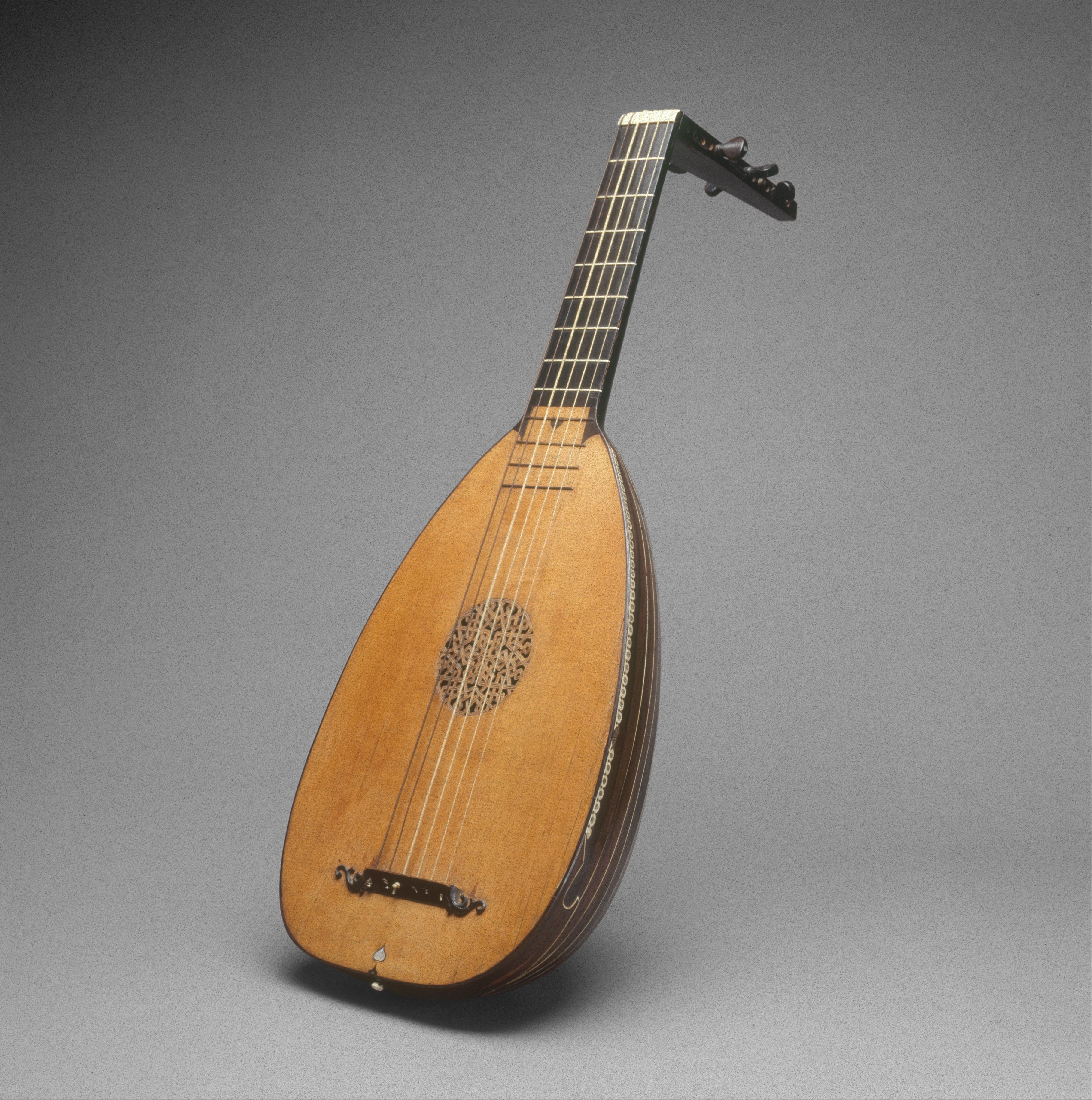
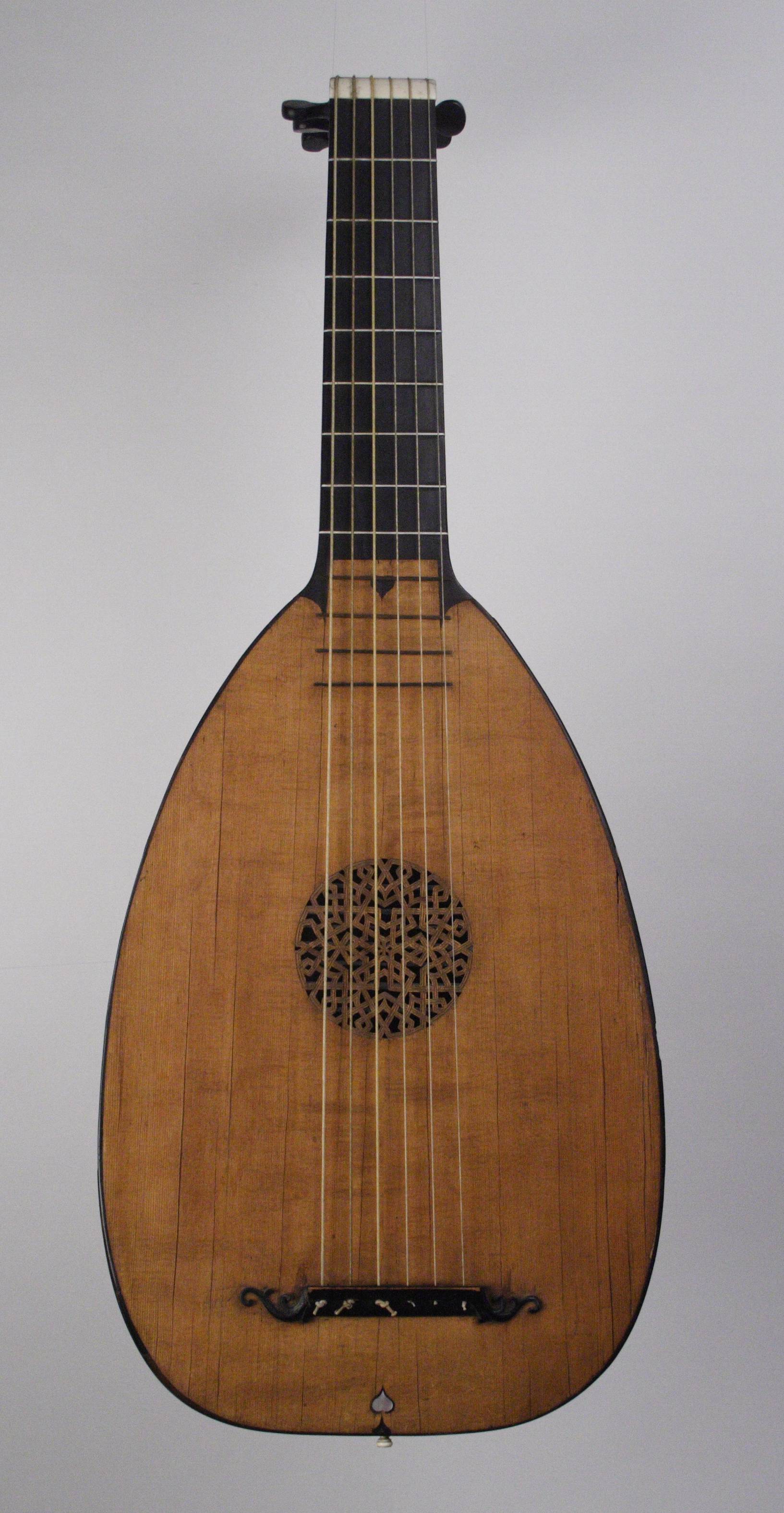
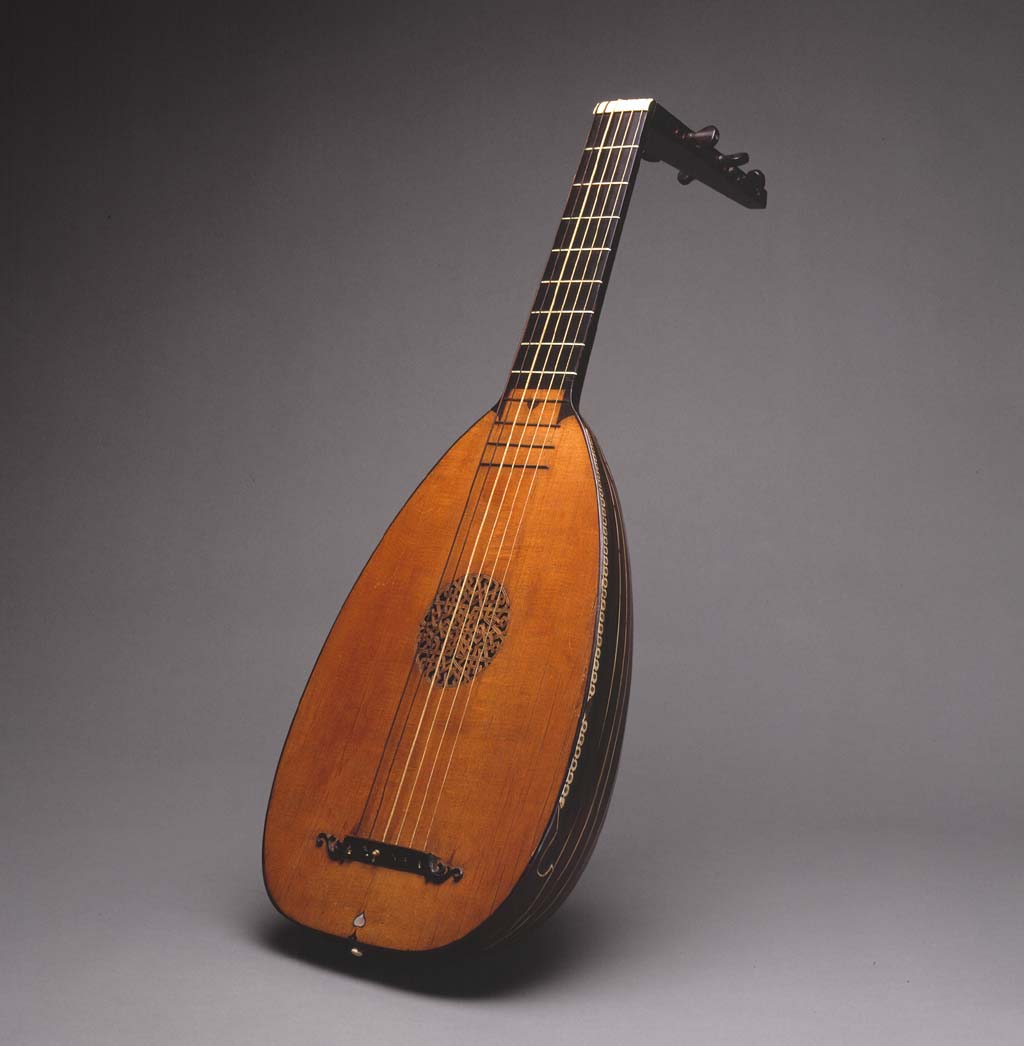
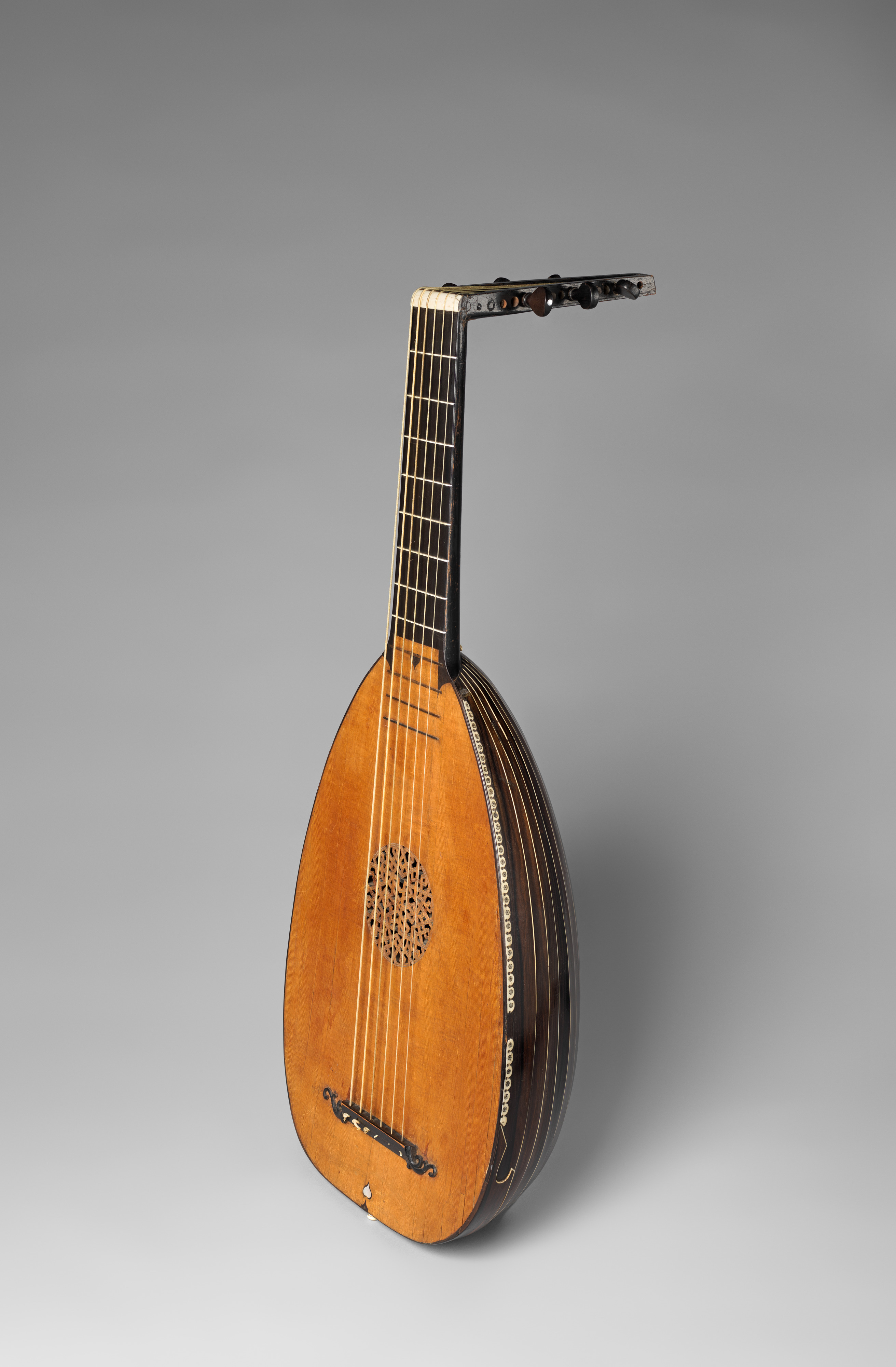
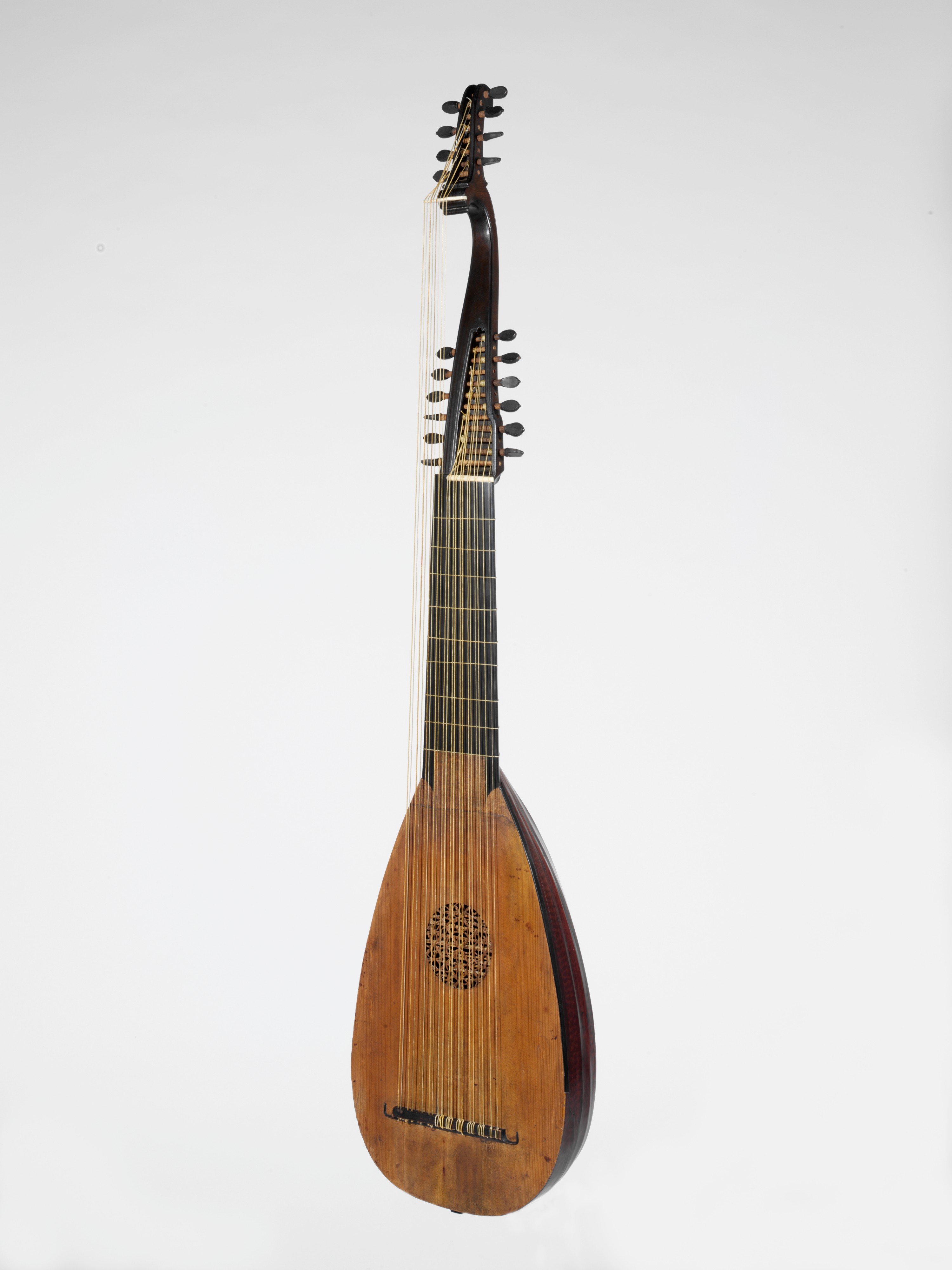
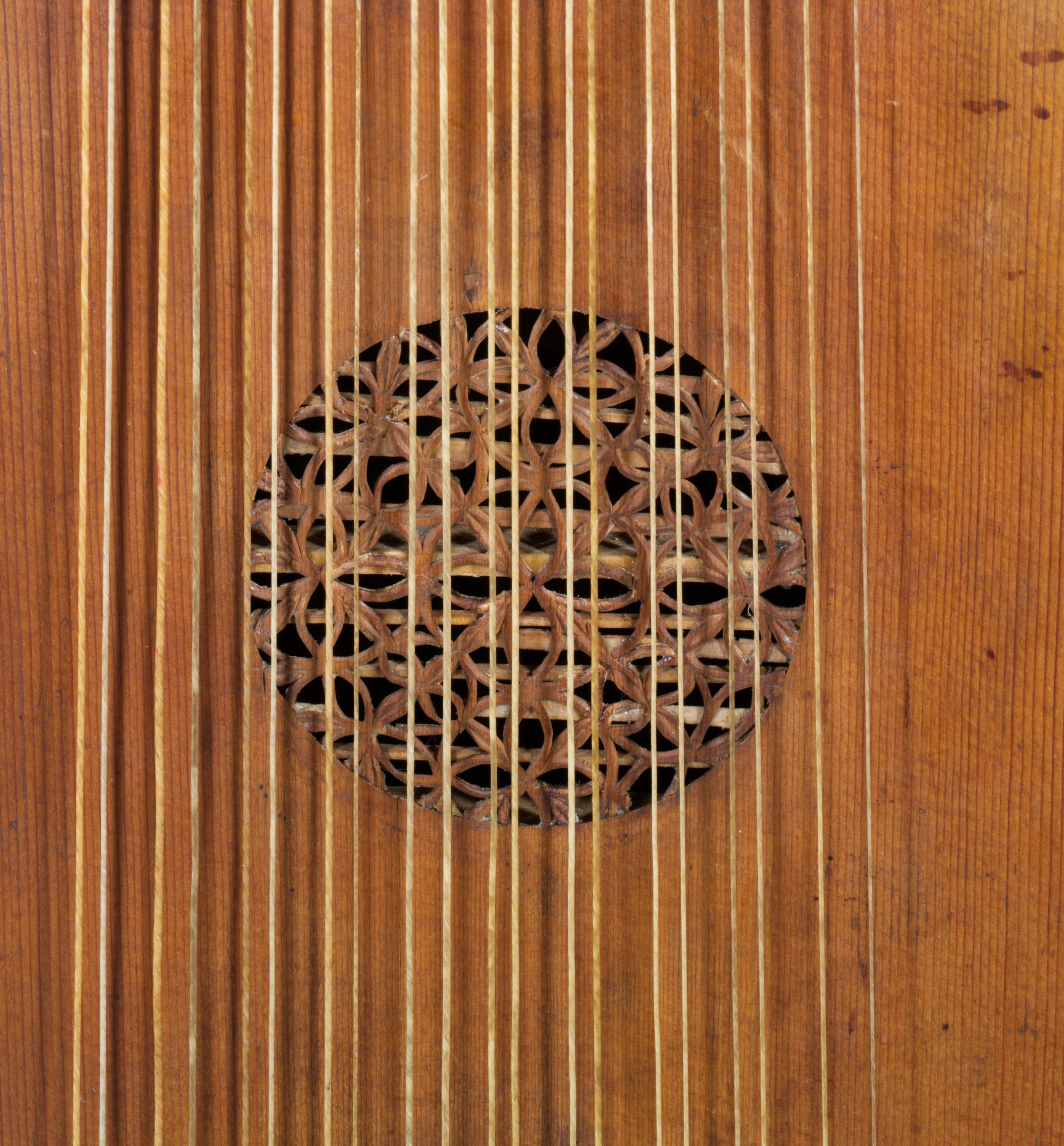
The lute is a plucked string with a deeply rounded back, a flat soundboard pierced by a carved ornamental rose, and a long neck whose strings are arranged in paired courses. For roughly two centuries — from about 1500 to 1700 — it was the most prestigious solo instrument in European art music, the equivalent in its day of the modern piano.
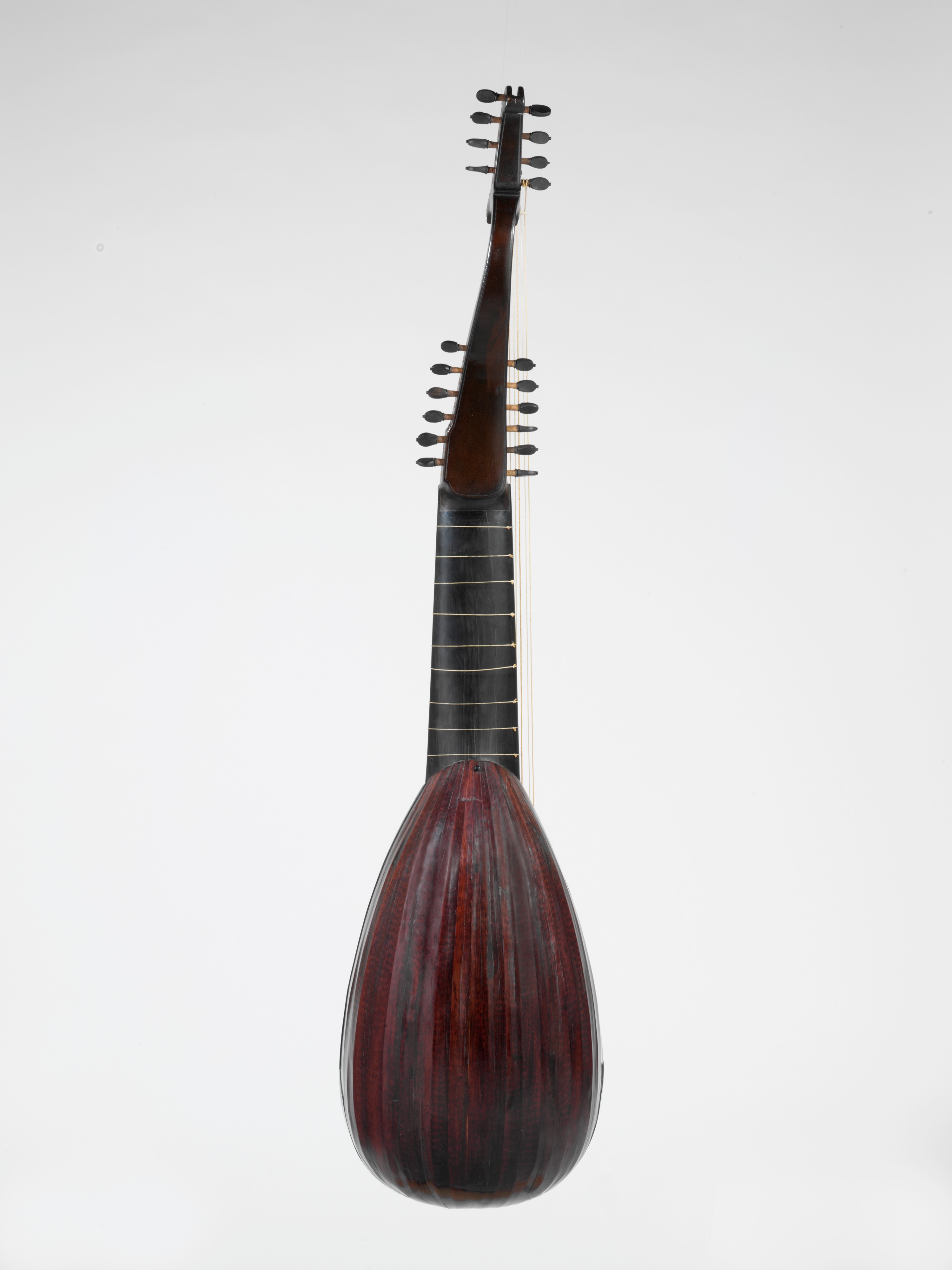
The European lute is one branch of a much wider family. Its direct ancestor is the Arabic oud, which arrived in al-Andalus during the Islamic period and spread north into the rest of medieval Europe. The defining bowl-shaped back, made of thin staves of wood glued edge-to-edge, marks every instrument in this family as descended from that single design tradition.
Origin & History
The lute family’s roots reach into the medieval Middle East, with the oud documented in courtly use by the ninth century. The instrument crossed into Christian Europe through Iberia and Sicily and is depicted in 13th-century Spanish manuscripts. By the 15th century the European lute had acquired frets — its Arabic ancestor traditionally has none — and a system of paired courses that gave it a richer, more sustained sound.
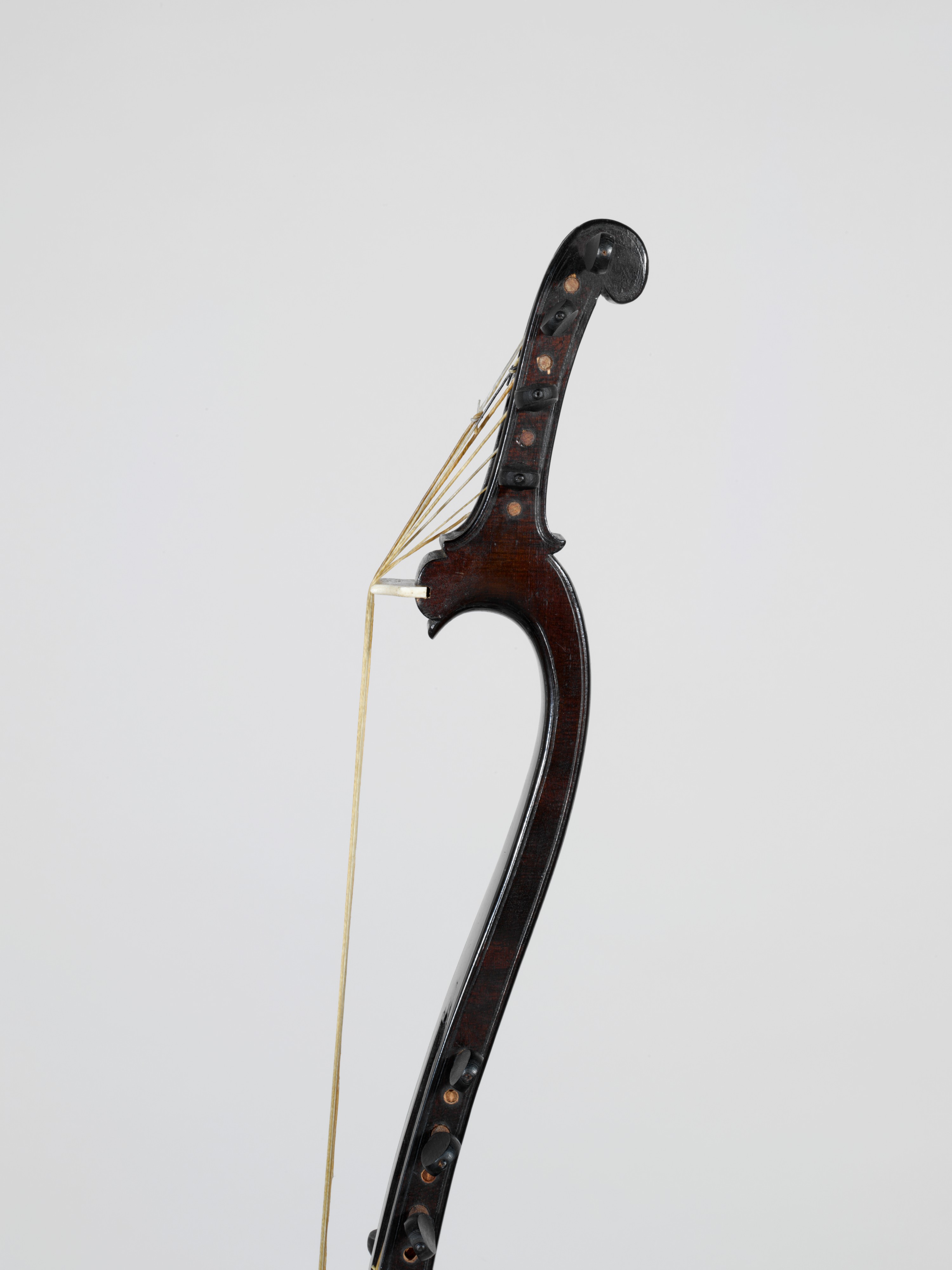
The Metropolitan Museum’s collection holds three Italian and German lutes that together capture the height of the European tradition. The earliest is a late-16th-century Italian instrument made of yew, spruce, ebony and maple (MET object 503357). A 1596 German lute in rosewood, ivory, wood and ebony (MET 500554) shows the high finish typical of the great Bavarian and Bohemian workshops. A third lute, Italian and dated 1669, is built from spruce, snakewood and ebony (MET 505741) and stands at the start of the Baroque shift toward extended-bass instruments such as the theorbo and chitarrone.
During the latter decades of the 1700s the lute fell sharply out of fashion, its solo repertoire absorbed by the keyboard. A modern revival was begun by Arnold Dolmetsch around the start of the 1900s and accelerated after 1950 through the work of players such as Julian Bream and Hopkinson Smith.
Construction & Materials
The Hornbostel-Sachs system places the lute in group 321 (composite chordophones); within that group the European lute belongs to the necked bowl-lute subfamily. The body is built up from many thin curved staves of hardwood, glued edge-to-edge over a mould — a technique closer to small boat-building than to the carved or bent construction of guitars and violins. The soundboard is thin spruce, pierced by a single carved rose.
The MET specimens span this construction tradition. The 1596 German lute uses rosewood for the staves and ebony fingerboard with ivory inlay; the late-16th-century Italian instrument uses yew. By 1669 the Italian lute at the MET has moved to snakewood — a denser, harder material more typical of the Baroque era. Strings on all three were originally gut, with paired courses tuned in unison or octaves.
How It’s Played
Players sit with the lute resting on the right thigh, the neck angled upward across the body. The right hand plucks the courses with bare fingertips and (often) the thumb playing bass lines, while the left hand stops the strings against the gut frets tied around the neck. The technique emphasises clarity in polyphonic playing — multiple independent voices sounded at once — and a wide range of articulations from delicate single-note runs to full strummed chords.
Tuning is in fourths with a third in the middle, very close to the modern guitar’s tuning minus its lowest string. Most repertoire is read from tablature: a notation system that shows finger position rather than pitch, written specifically for the instrument.
Cultural Significance
The lute was central to court life in Renaissance Italy, France, England, the Holy Roman Empire and Spain. Its players included John Dowland in Elizabethan England, Francesco da Milano and Vincenzo Galilei in Italy, and the Bach family in Germany — Johann Sebastian Bach himself wrote suites and a partita for the instrument. The repertoire is unusually large: tens of thousands of pieces survive in tablature manuscripts and printed books across Europe.
The instrument’s status was so high that learning to play it was considered an essential accomplishment for educated people, men and women alike, in many European courts. Portraits of the period frequently show sitters holding a lute as a marker of refinement.
Notable Examples & Recordings
The three MET lutes (objects 503357, 500554 and 505741) bracket the Renaissance-to-Baroque transition within seventy years and are among the best-documented surviving instruments of their kind. For listening, recordings by Julian Bream, Hopkinson Smith, Paul O’Dette and Nigel North cover the central Renaissance and Baroque solo repertoire. Ensemble recordings by The King’s Noyse and Jordi Savall’s Hespèrion XXI place the lute in its consort context.
Related Instruments
- Oud – the Arabic lute that is the direct ancestor of the European instrument
- Theorbo – the extended-bass lute developed for Baroque continuo
- Vihuela – the flat-backed Spanish cousin from the early 16th century
- Mandolin – the modern Italian descendant
- Pipa – the East Asian pear-shaped lute from a parallel tradition
Where to Hear It
The lute is a regular part of early-music concert programming worldwide, with festivals at Utrecht, York and Boston featuring it prominently each year. Recordings are now widely available on streaming services. The Wikimedia Commons category for lutes also collects high-resolution photographs of historical instruments and modern reconstructions.
- Wikipedia: Lute
- The MET: Lute, 1596 (object 500554)
- The MET: Lute, 1669 (object 505741)
- The MET: Lute, late 16th century (object 503357)
- Wikimedia Commons: Lutes
Learning Resources
Newcomers usually start with a six-course Renaissance lute, which has the most accessible repertoire and the simplest tuning. The Lute Society of America and the Lute Society in Britain both publish beginner method books, sheet music and discounted recordings. Tablature reading is a separate skill from staff notation but is straightforward to learn within a few weeks. Most serious players also study at one of the European or American conservatoires that now offer historical-performance degrees.
Frequently Asked Questions
What family of instruments does the lute belong to?
The lute is a composite chordophone in the necked bowl-lute subgroup of Hornbostel-Sachs class 321.
Where did the lute originate?
Its direct ancestor is the Arabic oud, which entered Europe through al-Andalus during the medieval Islamic period. The European form with frets and paired courses emerged in the 15th century.
How many strings does a Renaissance lute have?
A typical six-course Renaissance lute has eleven strings: five paired courses and one single top string. Larger instruments and Baroque lutes can carry up to thirteen courses.
Are old lutes displayed in museums?
Yes. The Metropolitan Museum of Art holds three lutes in its Musical Instruments department: a late-16th-century Italian instrument (object 503357), a 1596 German lute (object 500554) and a 1669 Italian lute (object 505741).
How is the lute different from the guitar?
The lute has a deeply rounded multi-stave back, a single ornamental rose in place of an open soundhole, paired courses rather than single strings, and is read from tablature in its historical repertoire.
Is the lute difficult to learn?
A beginner can play simple Renaissance pieces within a few months. Mastering the polyphonic Baroque repertoire, however, requires several years of disciplined study and a teacher familiar with historical fingering and articulation.


