.jpg)
.jpg)
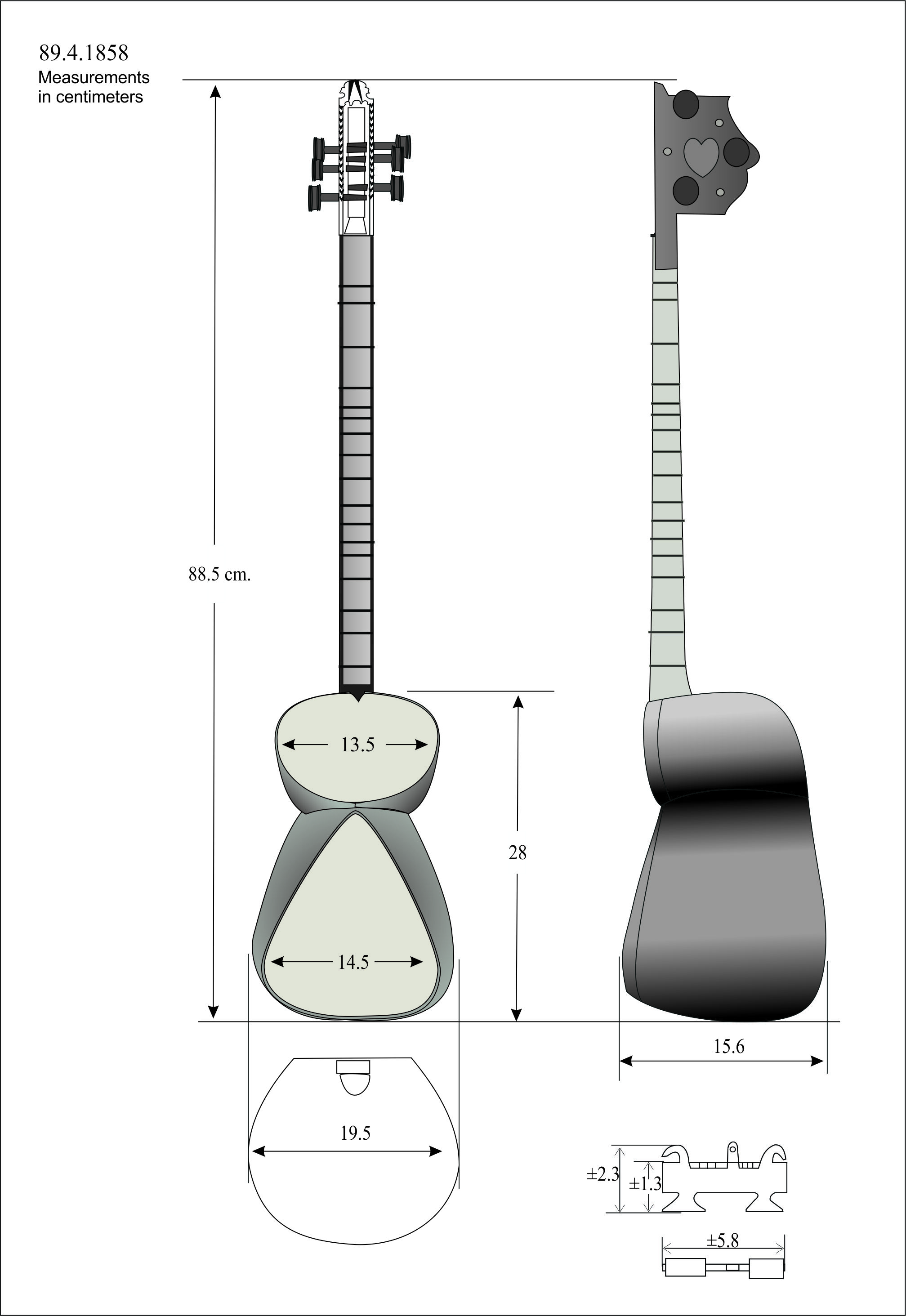
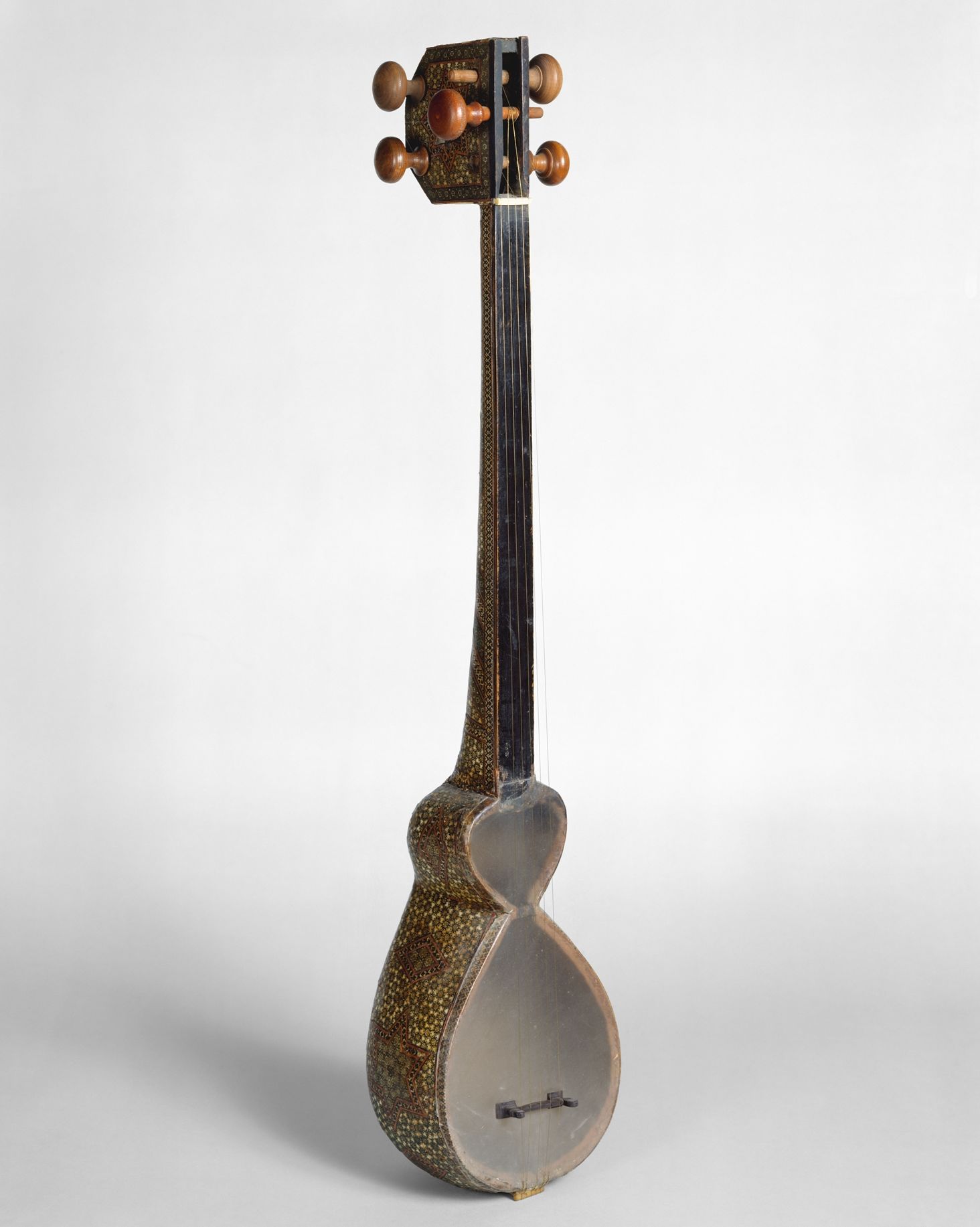
Tar
تار
| Category | Strings |
|---|---|
| Country of origin | Iran / Azerbaijan / North Africa |
| Classification | type of musical instrument |
| Wikipedia | en.wikipedia.org |
| Wikidata | Q546936 |
Listen
Audio: Сари гялин (Девушка с гор). Армянская народная мелодия. Семён Каспаров (соло на таре), Public domain / via Wikimedia Commons
Audio: Эшхамет (Саят-Нова). Армянская ашугская мелодия. Семен Каспаров (соло на таре), Public domain / via Wikimedia Commons
Audio: Various, PD / via Internet Archive
Overview
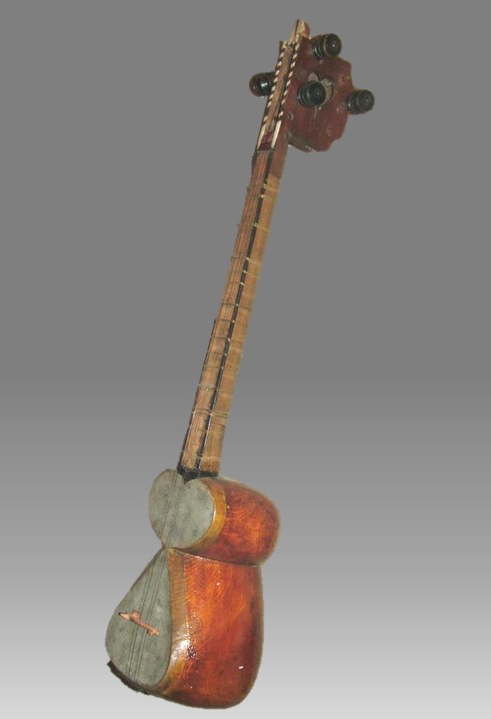
The tar is a long-necked plucked lute with a distinctive figure-eight or hourglass-shaped wooden body, a stretched lambskin soundboard, and three double or triple courses of metal strings. It is one of the four core melodic instruments of Persian classical music — alongside the santur, the setar and the kamancheh — and Azerbaijan’s national instrument, where it has its own slightly different form and repertoire.
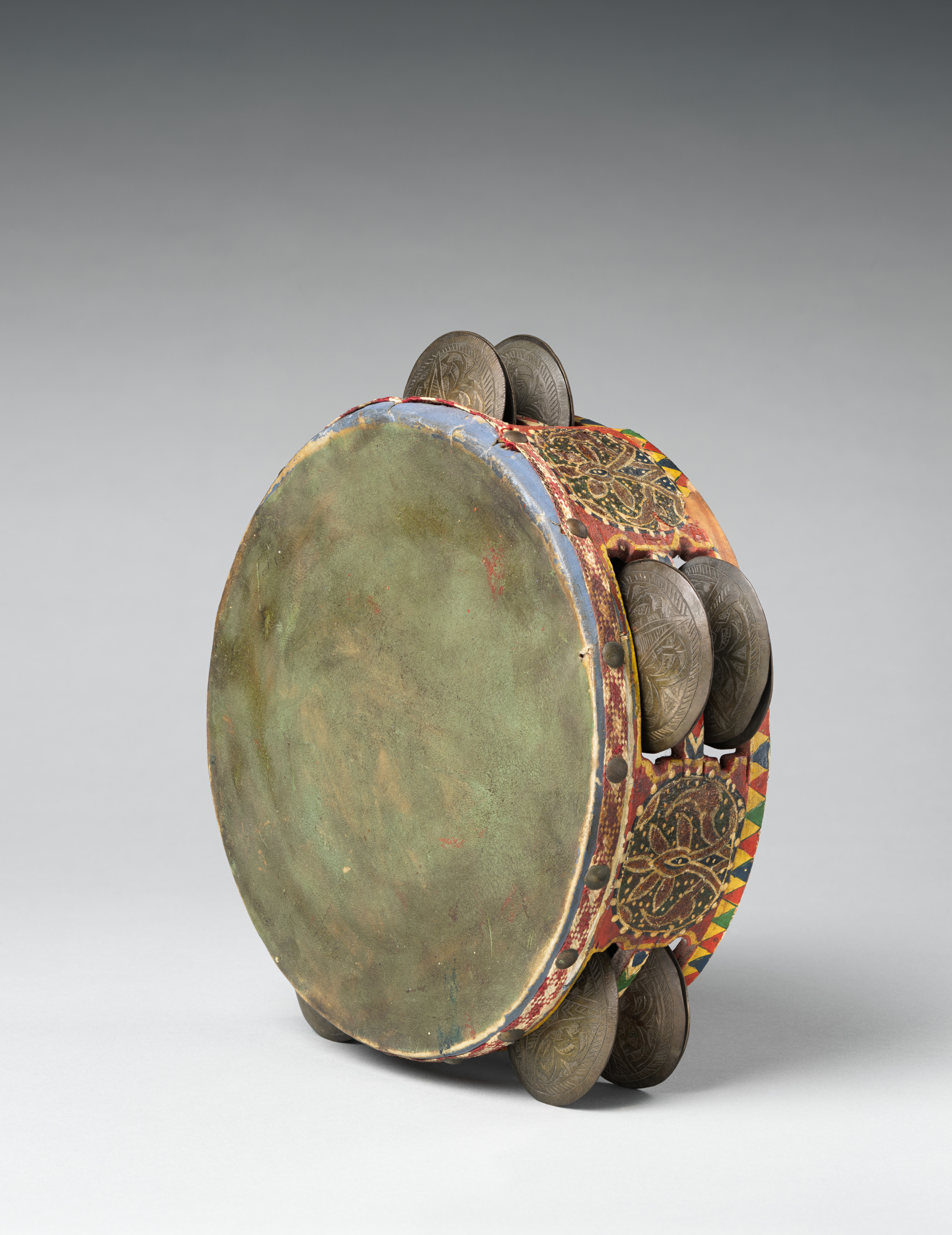
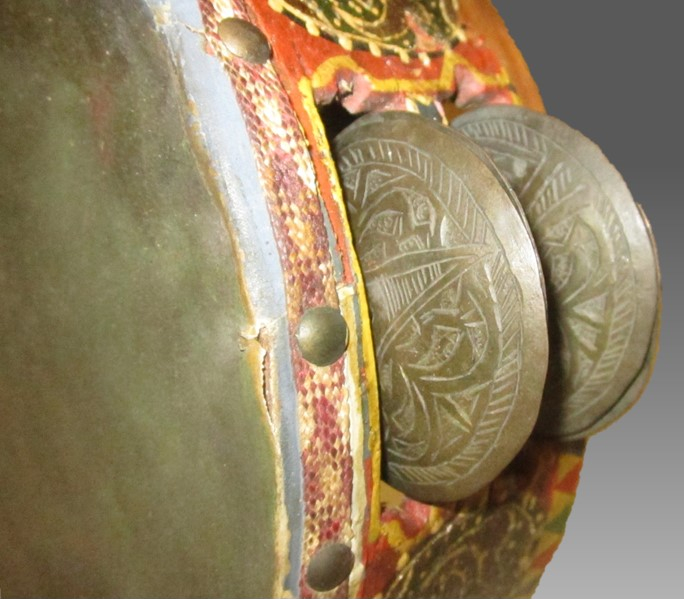
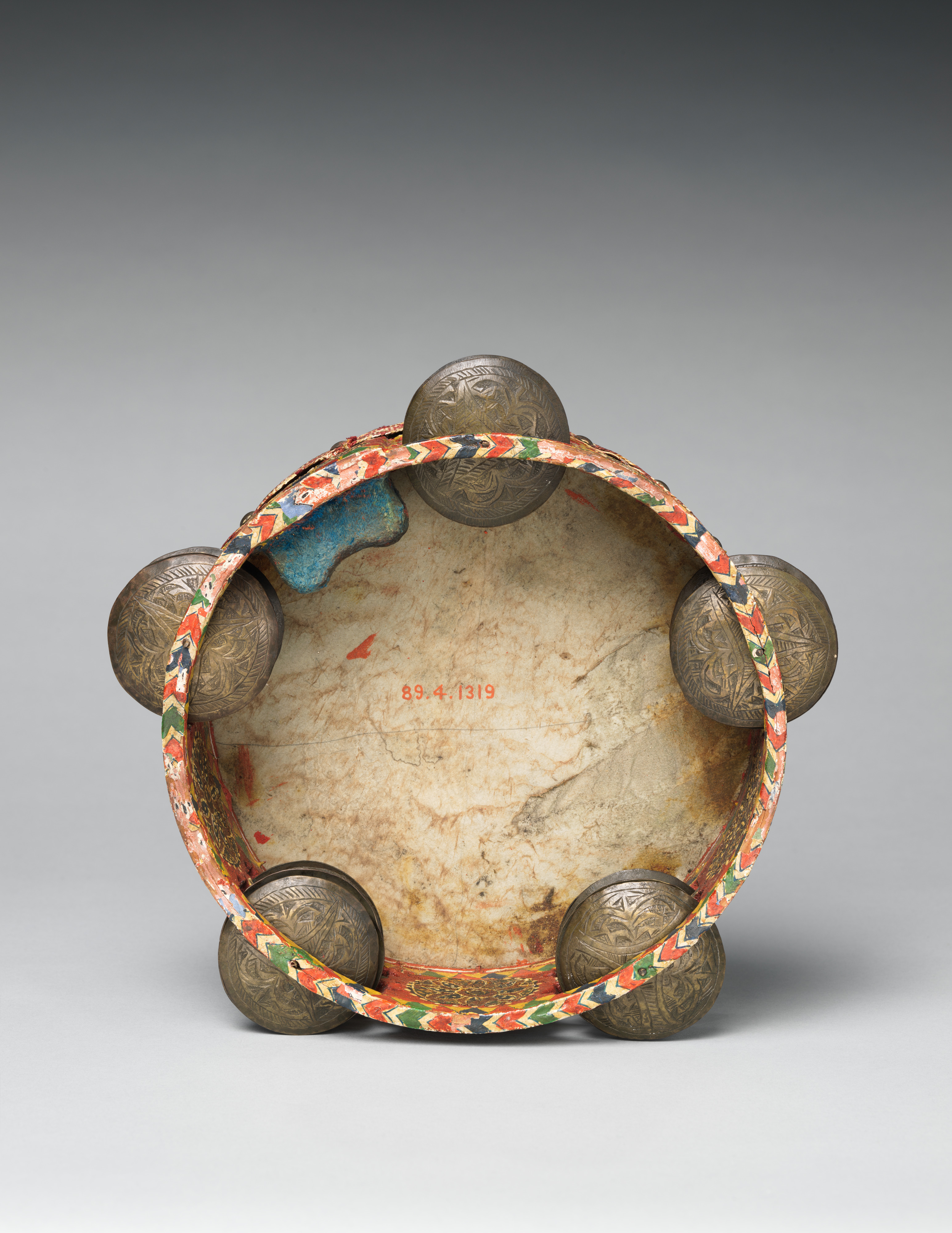
The word tar simply means “string” in Persian and Arabic, and several other instruments share the name without belonging to the same family — most notably the Moroccan tar (a frame drum) and the Indian sitar (a long-necked lute whose name combines seh “three” with tar “string”). The Persian and Azerbaijani tar described in this article is a distinct instrument with its own design, repertoire and tradition.
Origin & History
The Persian tar took its modern figure-eight body shape during the 18th and 19th centuries, with significant reform attributed to the Tehran-based player and instrument maker Mirza Abdullah (1843-1918) and his contemporary, Aqa Hosseinqoli. By the late 19th century the modern Persian tar — six strings in three pairs, played with a small brass or bone plectrum — was established as the central plucked instrument of the Persian classical radif repertoire.
The Azerbaijani tar, developed by the Baku player and reformer Mirza Sadiqjan in the second half of the 19th century, expanded the instrument to eleven strings (five paired courses plus a single bourdon) and adopted a slightly different playing posture — held against the chest rather than on the lap. In 2012, UNESCO inscribed the craftsmanship and performance art of the Azerbaijani tar on its Representative List of intangible cultural heritage.
The Metropolitan Museum’s collection holds three relevant late-19th-century specimens. An Iranian (Persian) Tār (MET object 502242), made of bone, wood, brass and parchment, represents the Tehran tradition. An Azerbaijani Tār (MET 502457), in wood, lambskin, wire, gut, metal and bone, represents the Baku reform tradition. A third instrument, a Moroccan Tar (MET 501885) in wood and skin, illustrates the unrelated Moroccan frame drum that shares the name. All three sit in the museum’s Musical Instruments department.
Construction & Materials
The Hornbostel-Sachs system places the Persian and Azerbaijani tar in 321.321 (composite chordophones, plucked, necked bowl-lutes). The body is unusual — carved from a single block of mulberry wood into a figure-eight or hourglass shape, then hollowed out and covered front and back with stretched lambskin. The narrow waist of the body sits comfortably against the player’s leg or chest.
The neck is long and carries 25-28 movable nylon-tied frets, positioned to allow the microtonal intervals of Persian classical music. Strings are arranged in three pairs (Persian) or five pairs plus a single bourdon (Azerbaijani), all metal — high-pitched strings of steel, lower strings of brass. The plectrum (mezrab) is a small piece of brass or bone embedded in wax that the player holds between the index finger and thumb.
The MET specimens illustrate the family’s material range. The Iranian Tar (object 502242) and the Azerbaijani Tar (502457) both use the characteristic figure-eight body with stretched lambskin soundboard. The Moroccan Tar (501885), by contrast, is a flat circular frame drum — a completely different instrument that shares only the name.
How It’s Played
The Persian tar is held across the lap, the figure-eight body resting on the right thigh and the long neck angled upward to the left. The right hand strikes the strings with the small wax-mounted plectrum (mezrab); the left hand stops the strings against the moveable frets along the long neck. The technique includes single-note melodic playing, rapid tremolos (riz), and characteristic ornamental flourishes.
The Azerbaijani tar is held differently — against the chest, with the body high — which gives the instrument a slightly different acoustic projection and supports a more vertical bowing-like motion. The Azerbaijani repertoire of mugham (the Azerbaijani art-music modal system, related to Persian dastgāh) demands its own technical vocabulary distinct from Persian classical practice.
Cultural Significance
In Iran the tar is one of the four core instruments of the Persian classical radif repertoire and is taught at every conservatory of Persian music. The instrument carries strong associations with the great players of the modern tradition — Ali Akbar Shahnazi, Hossein Alizadeh, Houshang Zarif, and the contemporary virtuoso Hamid Motebassem.
In Azerbaijan the tar is the national instrument and the foundation of the mugham tradition that defines Azerbaijani art music. Azerbaijani tar is taught at the Baku Music Academy and performed in mugham concerts at the International Mugham Centre in Baku. The 2012 UNESCO inscription gave international institutional recognition to the Azerbaijani tar tradition.
Notable Examples & Recordings
The three MET specimens (objects 502242, 502457 and 501885) document Iranian, Azerbaijani and Moroccan instruments that share the name. For listening, Persian tar recordings by Hossein Alizadeh, Hamid Motebassem and Hossein Behroozinia cover the modern Persian classical repertoire. Azerbaijani tar recordings by Alim Qasimov (with whom the instrument is paired in mugham vocal performance) and by Bahram Mansurov document the Azerbaijani tradition.
Related Instruments
- Setar – the smaller Persian long-necked plucked lute, a sister instrument in the radif tradition
- Santur – the Persian hammered dulcimer, partner instrument in the radif tradition
- Kamancheh – the Persian bowed spike fiddle, partner instrument in the radif tradition
- Saz – the Turkish long-necked plucked lute from a related Anatolian root
- Sitar – the Indian long-necked lute, name etymologically related but instrument distinct
Where to Hear It
Persian classical concerts in Tehran, Isfahan and Shiraz feature the tar regularly, both as solo instrument and in radif ensemble. Azerbaijani mugham concerts in Baku, particularly at the International Mugham Centre, feature the Azerbaijani tar in nearly every performance. International touring by Hossein Alizadeh, Hamid Motebassem and Alim Qasimov brings both traditions to European and North American audiences. The Wikimedia Commons category collects images and audio.
- Wikipedia: Tar (string instrument)
- The MET: Tār Iranian (object 502242)
- The MET: Tār Azerbaijani (object 502457)
- The MET: Tar Moroccan (object 501885)
- Wikimedia Commons: Tar (lute)
Learning Resources
Persian tar study is most easily pursued through the radif method materials and through study with a teacher in the tradition. The Tehran Conservatory of Persian Music and the College of Persian Music both offer formal training. Outside Iran, instruction is available through Persian cultural centres in Los Angeles, Toronto, Stockholm and Berlin. For Azerbaijani tar, the Baku Music Academy is the central institution; instruction outside Azerbaijan is available through Azerbaijani cultural centres in Moscow, Tbilisi and Istanbul.
Frequently Asked Questions
What family is the tar in?
The Persian and Azerbaijani tar is a composite chordophone, plucked, classed as 321.321 in the Hornbostel-Sachs system. The Moroccan instrument that shares the name is a frame drum, an entirely different family.
Where did the tar originate?
The Persian tar took its modern figure-eight body shape during the 18th and 19th centuries through reforms attributed to Mirza Abdullah and his contemporaries. The Azerbaijani form was developed by Mirza Sadiqjan in Baku in the second half of the 19th century.
How many strings does a tar have?
The Persian tar has six strings in three pairs. The Azerbaijani tar carries eleven strings (organised as five paired courses with a single bourdon added).
Is the tar on the UNESCO heritage list?
Yes. In 2012, UNESCO inscribed the craftsmanship and performance art of the Azerbaijani tar on its Representative List of intangible cultural heritage. The Persian tar is not separately inscribed.
Are old tars in museums?
Yes. The Metropolitan Museum of Art holds three late-19th-century instruments under the name tar (objects 502242, 502457 and 501885), representing Iranian, Azerbaijani and Moroccan traditions.
Is the tar difficult to learn?
Basic technique is approachable in the early stages. The microtonal fret intervals of Persian classical music, the rapid plectrum technique, and the long memorisation of the radif or mugham repertoire all take many years of disciplined study with a teacher in the tradition.


