

Güiro
güiro
| Category | Percussion |
|---|---|
| Country of origin | Caribbean (Puerto Rico, Cuba) / Latin America |
| Classification | type of musical instrument |
| Wikipedia | en.wikipedia.org |
| Wikidata | Q2237198 |
Listen
Audio: Freddythehat at English Wikipedia, Public domain / via Wikimedia Commons
Audio: Mailbox Badger/Patrick Callan, CC BY / via Internet Archive
Overview
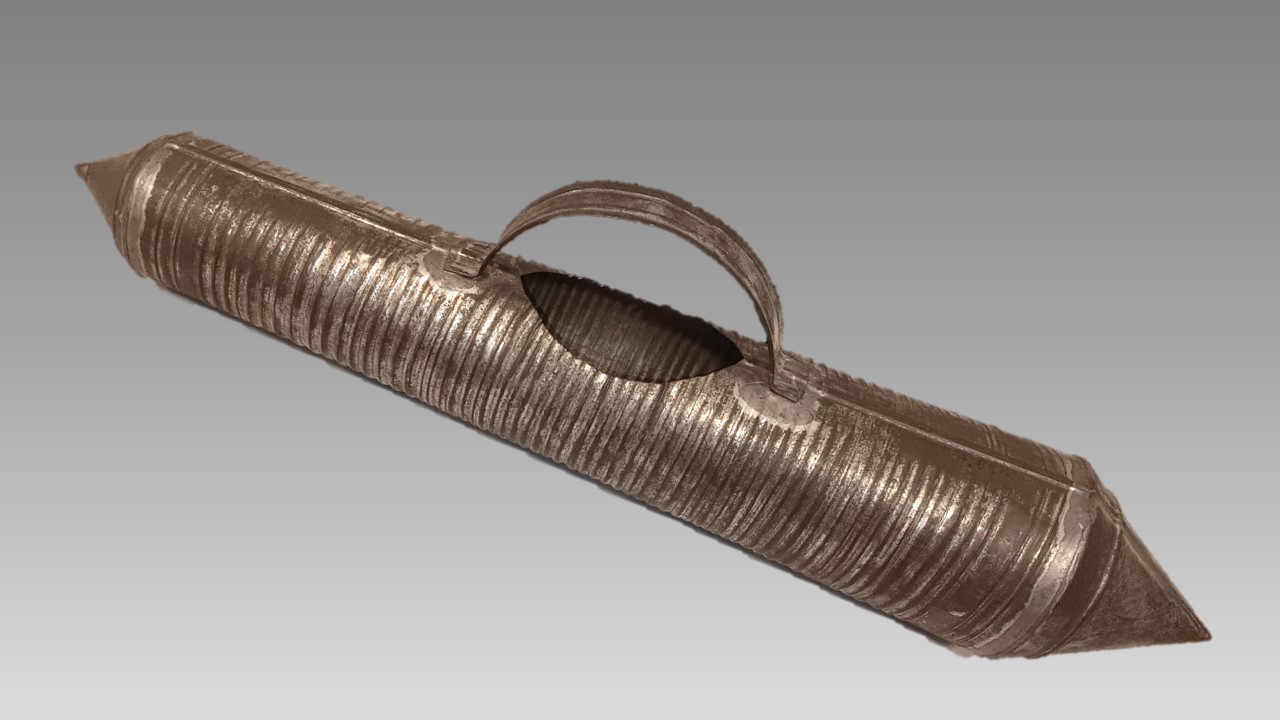
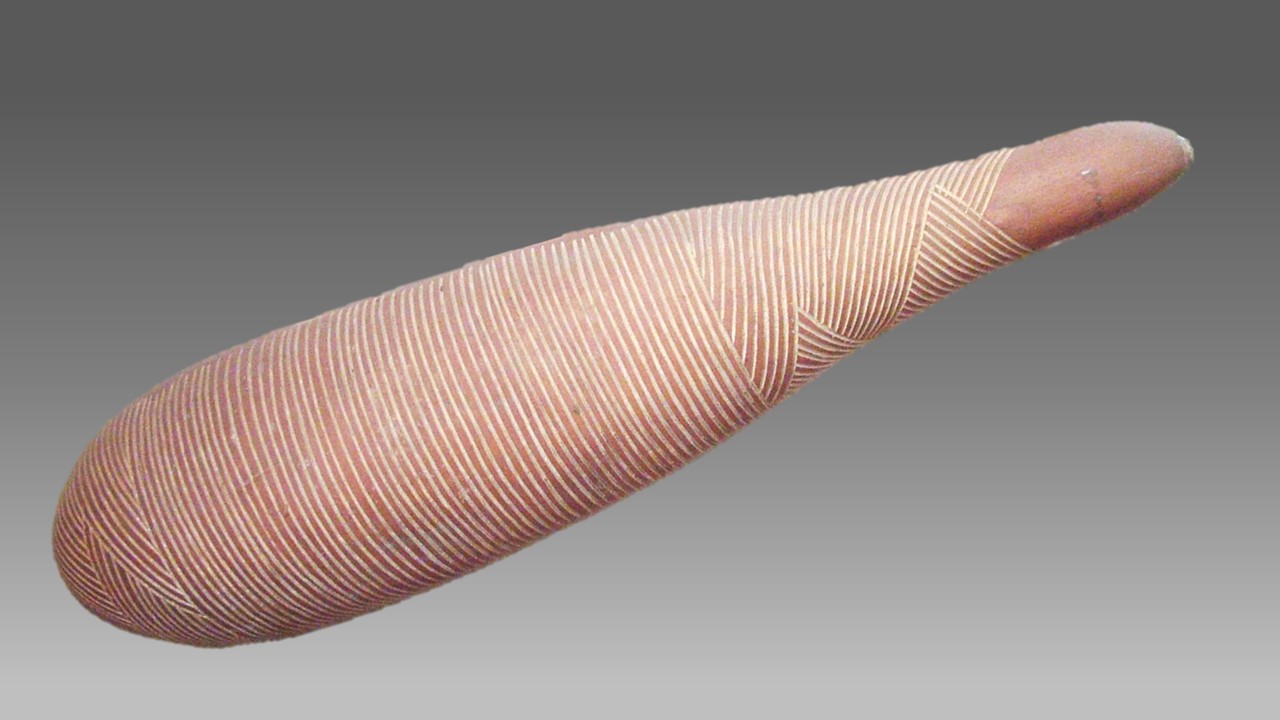
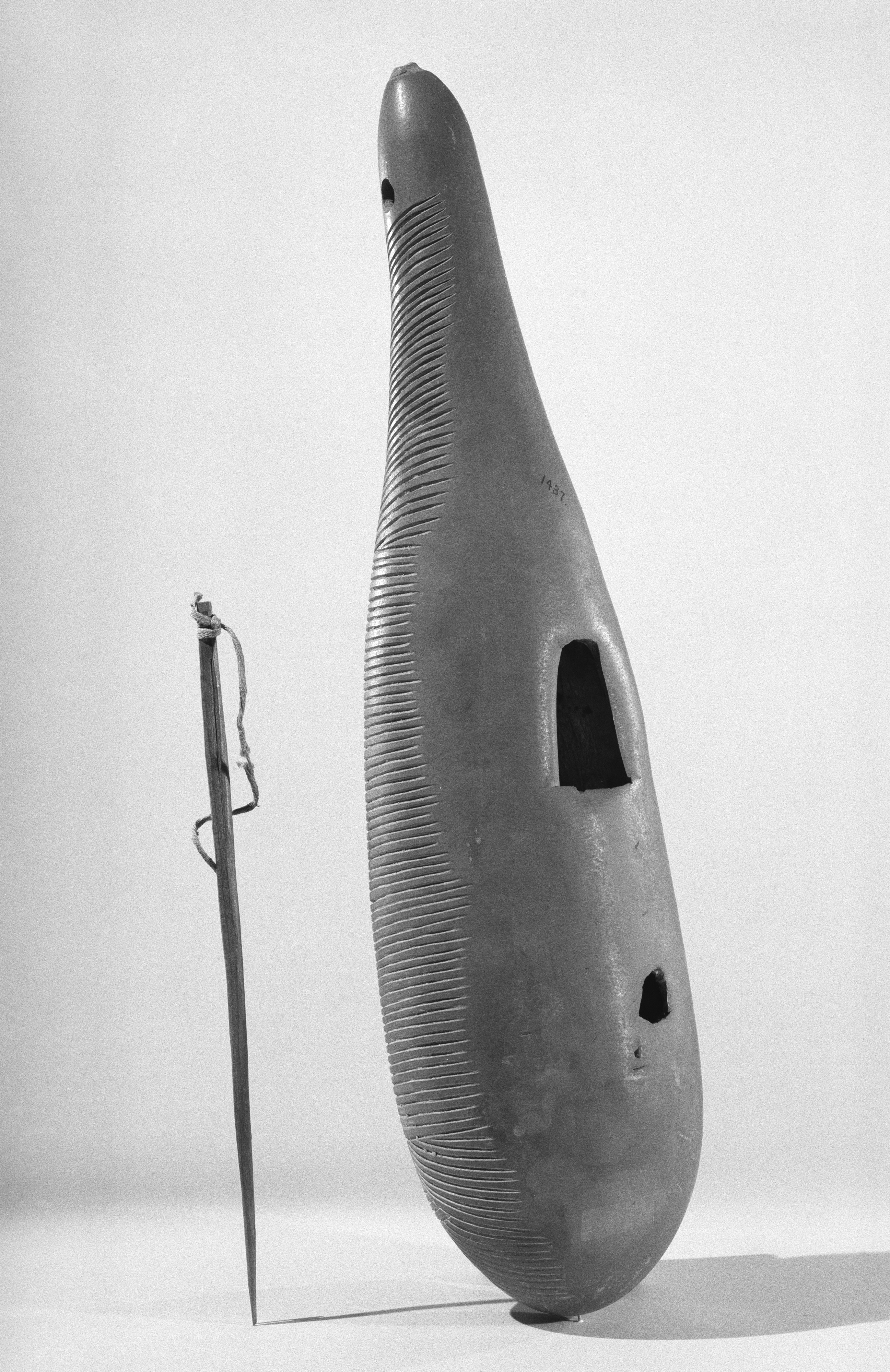
The güiro is a hollow, open-ended scraped percussion instrument originally made from a hollowed and dried gourd, with parallel notches carved into one side. The player holds the güiro in one hand and rubs a thin stick across the notches with the other, producing a dry, rhythmic rasping sound. It is one of the signature percussion voices of Latin Caribbean music and appears in salsa, son, cumbia, danza, plena, and many folk styles.
Origin & History
The güiro is generally believed to have origins among the Indigenous Taíno people of the Caribbean, who used scraped gourd instruments before European contact. After the colonial period it became deeply embedded in the Afro-Caribbean musical traditions of Puerto Rico, Cuba, the Dominican Republic, and the wider Hispanophone Caribbean, blending Indigenous, African, and European elements.
By the twentieth century the güiro had spread across all of Latin America and into Latin music in the United States. Modern güiros are still made from gourds in folk traditions, but professional players also use wooden, fiberglass, or metal versions that produce a louder and more durable sound for concert and recording use.
How It’s Played
The player inserts a thumb or finger into a small hole on the back of the güiro to hold it firmly, then scrapes a thin wooden or plastic stick called a pua across the notched ridges. By varying the speed, length, and direction of the stroke, the player produces long scraping sounds and short crisp accents.
Standard rhythmic patterns differ by genre. Cuban son uses one pattern, Puerto Rican plena another, and Mexican danzón a third. Most patterns combine two long strokes with one or two short accents on key beats of the rhythmic cycle.
Cultural Significance
The güiro is one of the core small percussion instruments of Latin Caribbean music, alongside the claves, maracas, and bongos. In salsa bands it provides a steady, forward-moving rhythm that locks the ensemble together with the bell patterns of the timbales and bongo. In Puerto Rican folk styles such as plena, jíbaro music, and danza, the güiro is essential to the traditional sound.
Beyond Latin music, the güiro appears in classical and contemporary art music whenever a composer wants its distinctive rasp, including in works by composers such as Edgard Varèse and in many film scores.
Related Instruments
- – the wooden time-keeping sticks of Cuban music
- – paired shaken percussion of the Caribbean
- – a Brazilian metal scraper used in samba
- Cabasa – a beaded scraping percussion instrument
- Bongos – paired hand drums of the Cuban tradition
Where to Hear It
The güiro is audible on virtually every classic salsa recording, including those of the Fania All-Stars, Eddie Palmieri, and Rubén Blades. For folk contexts, recordings of Puerto Rican plena groups such as Los Pleneros de la 21 and Cuban son ensembles such as the Buena Vista Social Club show the instrument in its traditional setting.
Learning Resources
Most learners pick up the güiro within a Latin percussion context, starting from basic salsa and son patterns. Method books on Latin percussion by authors such as Rebeca Mauleón and Chuck Silverman cover essential patterns. Many percussion students learn the güiro alongside claves and cowbell as foundational small percussion.
Frequently Asked Questions
What is the güiro made of?
Traditionally a hollowed, dried gourd. Modern professional versions are often made of wood, fiberglass, or metal for greater durability and projection.
Is the güiro hard to play?
The basic stroke is easy to learn, but playing convincing genre-specific patterns at the right tempo and feel takes serious study.
What’s the difference between a güiro and a guacharaca?
The Colombian guacharaca is a longer, narrower scraper used in vallenato music, while the güiro is shorter and wider, with Caribbean roots.
What does the word “güiro” mean?
It originally referred to the gourd plant from which the instrument was made.


