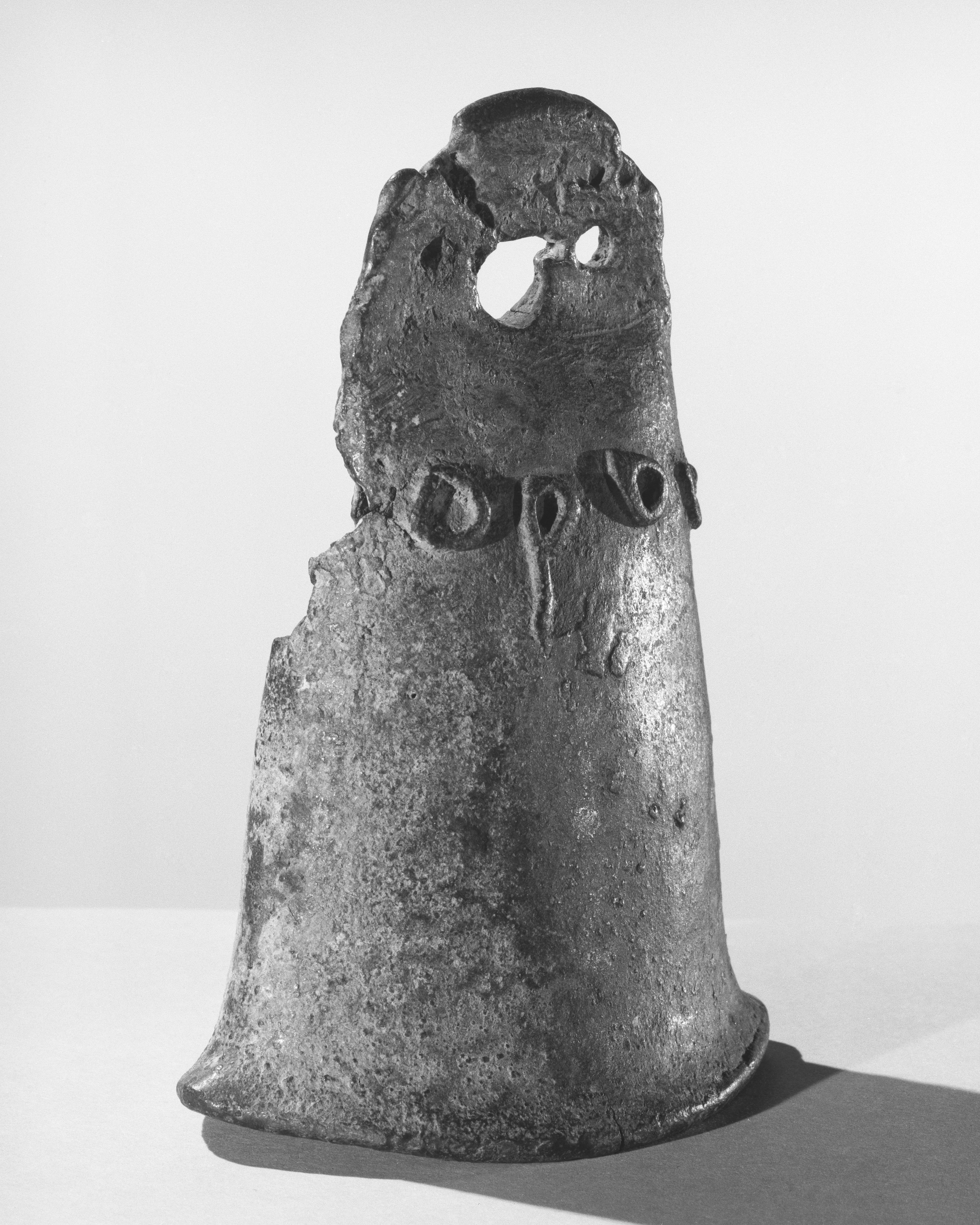
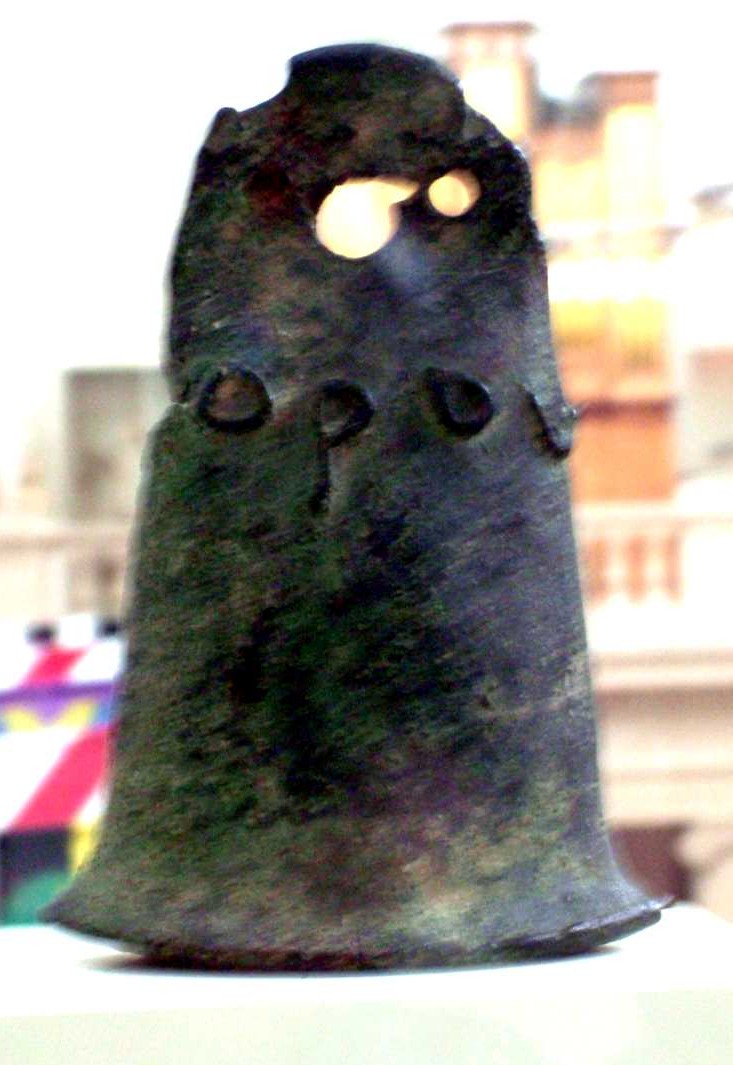
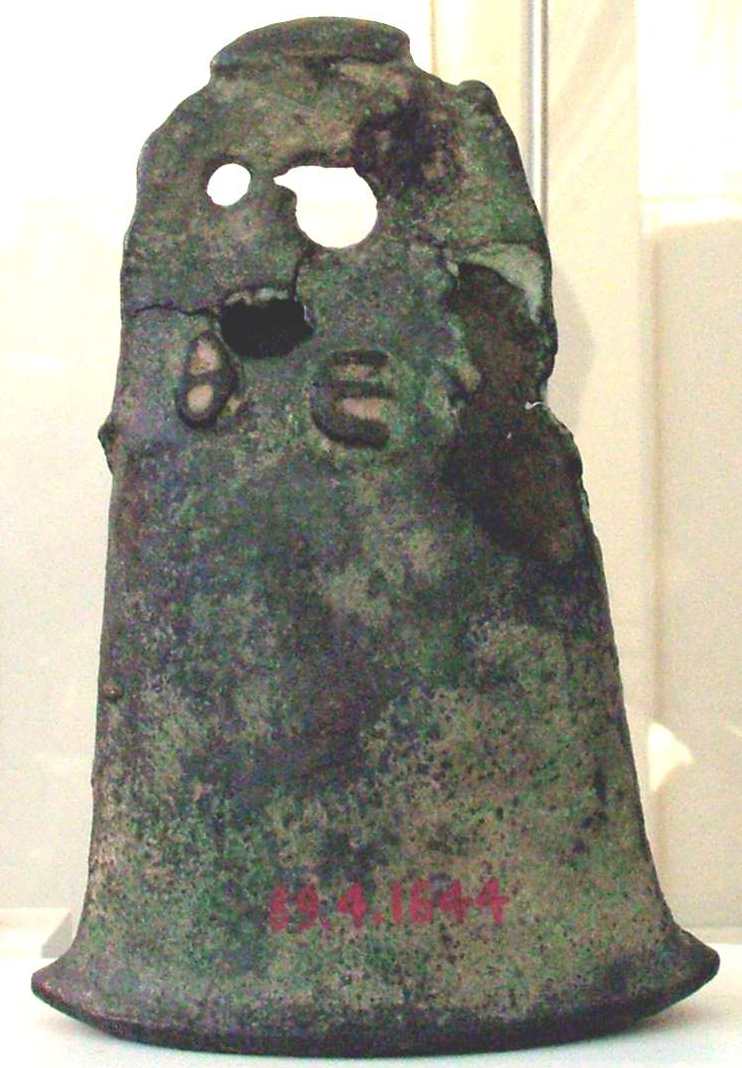
Bridge of Nations Bell
万国津梁の鐘 (Bankoku Shinryō no Kane)
| Category | Percussion |
|---|---|
| Country of origin | Japan (Ryukyu Kingdom) |
| Classification | bonshō |
| Wikipedia | en.wikipedia.org |
| Wikidata | Q2592009 |
Editorial note: The Bridge of Nations Bell is a single historical object rather than a generic instrument category. This page describes that bell and links to the broader tradition. WP publication of this page is recommended subject to CEO review.
Overview
The Bridge of Nations Bell (Bankoku Shinryō no Kane) is a bronze Japanese Buddhist-style temple bell cast in 1458 for the Seiden, the main hall of Shuri Castle, the royal seat of the Ryukyu Kingdom on present-day Okinawa. The bell takes its name from a famous inscription on its body that proclaims the Ryukyu Kingdom a “bridge of nations” linking Japan, Korea, China, and South-East Asia through trade and culture. It is now designated an Important Cultural Property of Japan and held at the Okinawa Prefectural Museum and Art Museum in Naha.
Origin & History
The bell was cast in 1458 during the reign of the Ryukyuan king Shō Taikyū. The inscription, composed by the Buddhist monk Kaiin, celebrates the kingdom’s flourishing maritime trade with neighbouring states and frames the Ryukyus as a cultural and commercial intermediary among the great civilisations of East Asia. For centuries the bell hung in the Seiden of Shuri Castle.
The original castle was destroyed during the Battle of Okinawa in 1945; the bell survived and was later transferred to museum custody. A reproduction now hangs in the rebuilt Shuri Castle complex, while the original is preserved as a national treasure.
Construction & Sound
The Bridge of Nations Bell is a classical bonshō in form: a roughly cylindrical bronze body about 1.5 metres tall, with twin suspension loops at the top, raised bosses (chichi) around the upper register, and a flared lower rim. The body is densely engraved with the famous Bridge of Nations inscription. As a museum object it is no longer routinely sounded, but the design produces the deep, sustained tone characteristic of Japanese Buddhist temple bells.
Cultural Significance
The Bridge of Nations inscription has become one of the most cited expressions of Ryukyuan and Okinawan identity. The text frames the small island kingdom as a confident participant in a wider East Asian world rather than as a peripheral state, and modern Okinawan cultural and political life has often returned to the inscription as an emblem of cosmopolitan heritage. The bell and its inscription appear on Okinawan textbooks, public monuments, and cultural materials throughout the prefecture.
Related Pages
- – the broader category of Japanese Buddhist temple bells
- Japanese Peace Bell – the modern UN gift in the same bonshō tradition
- Sanshin – the three-stringed lute of the Ryukyuan musical tradition
- Singing bowl – a related Buddhist resonant idiophone


